









Why a catamaran and not a smaller boat
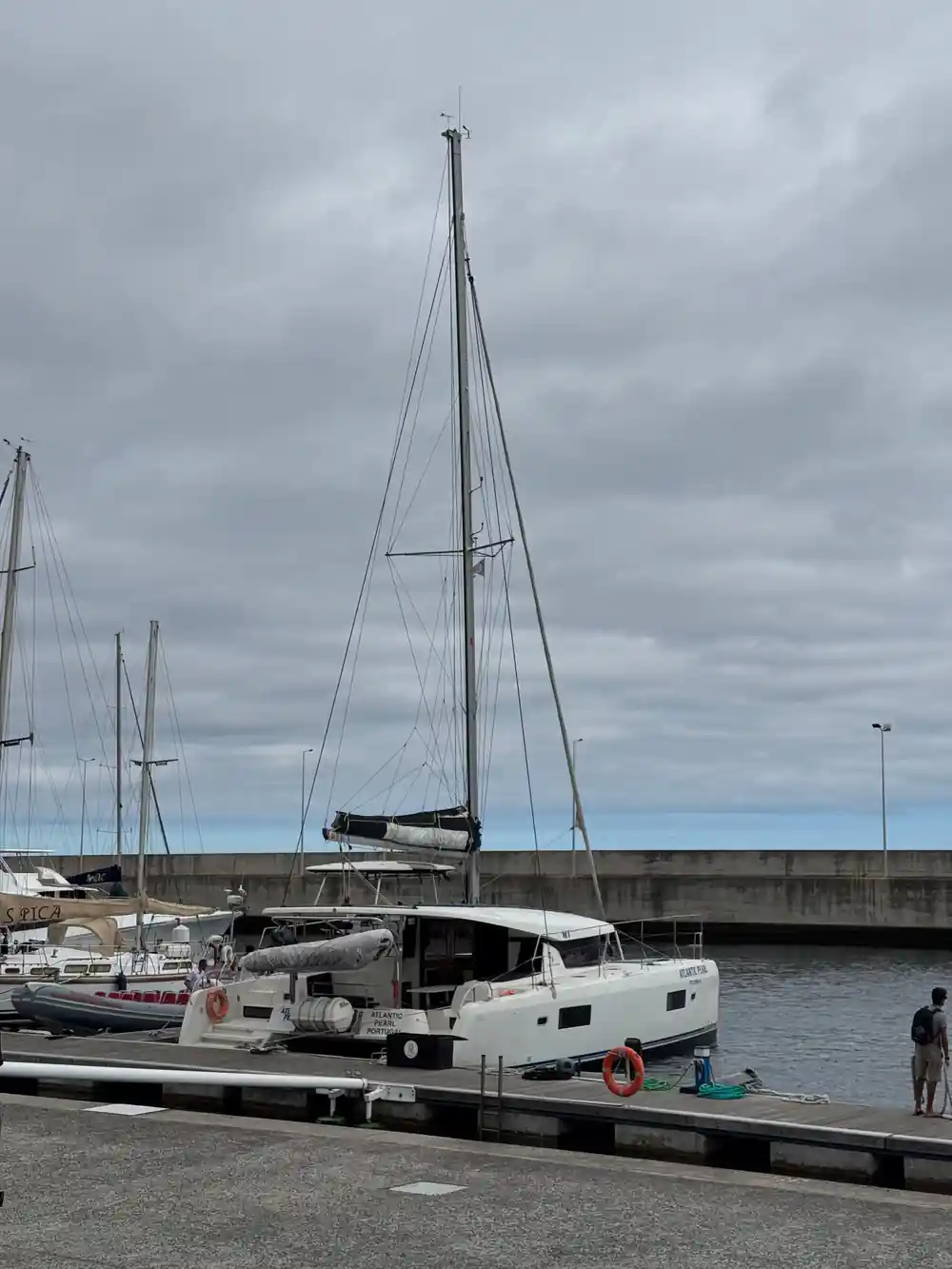
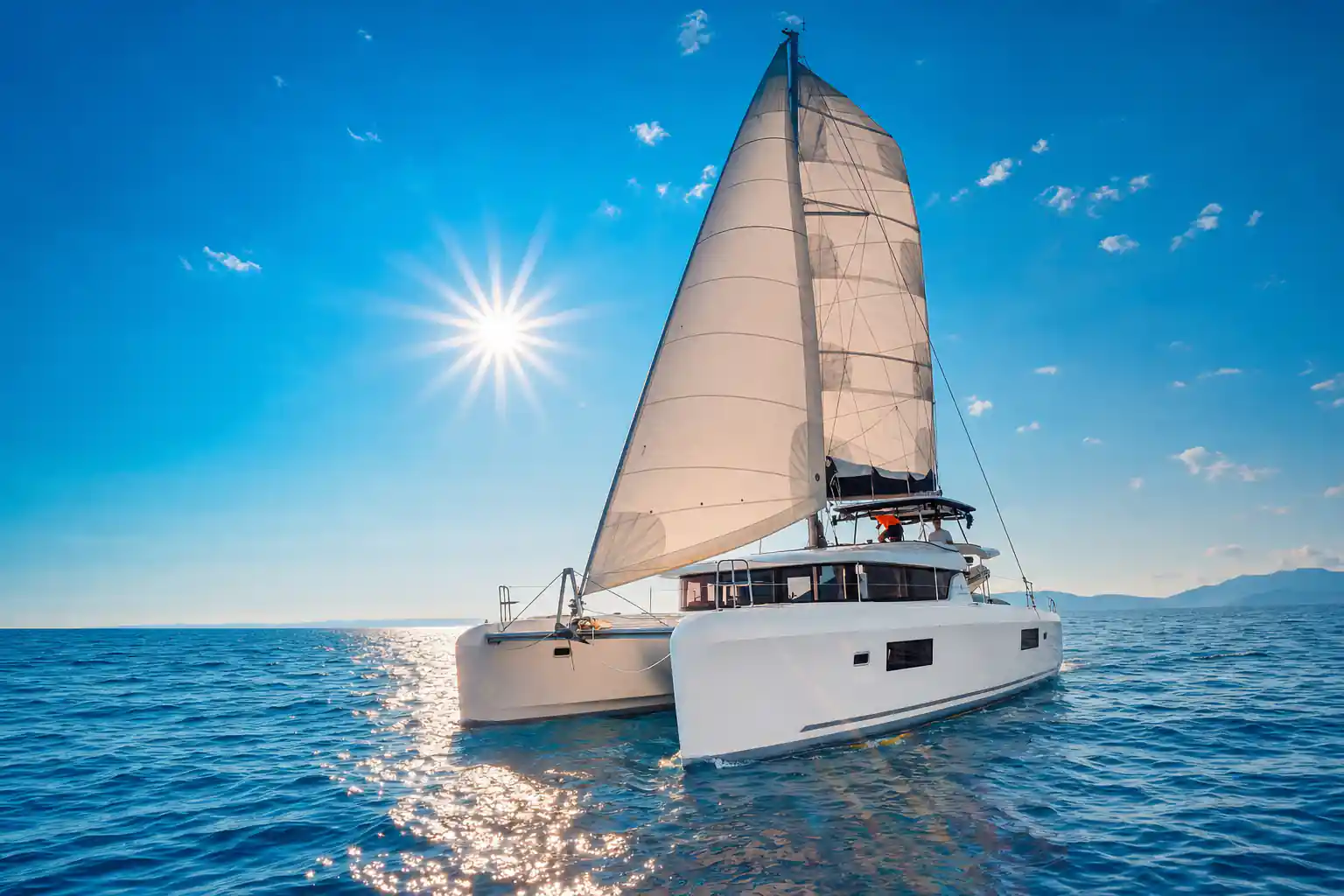
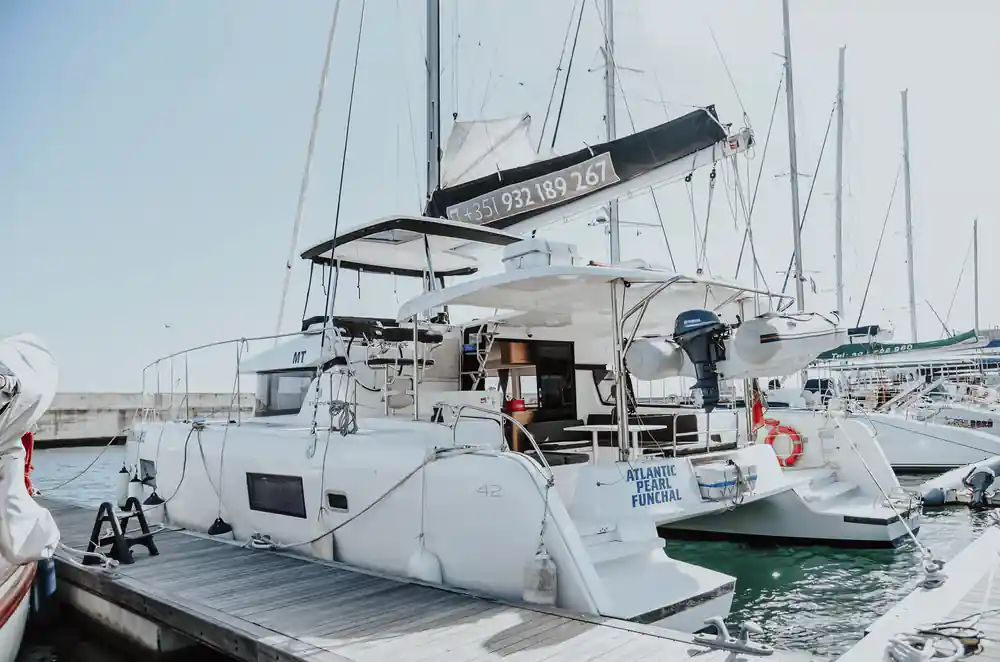
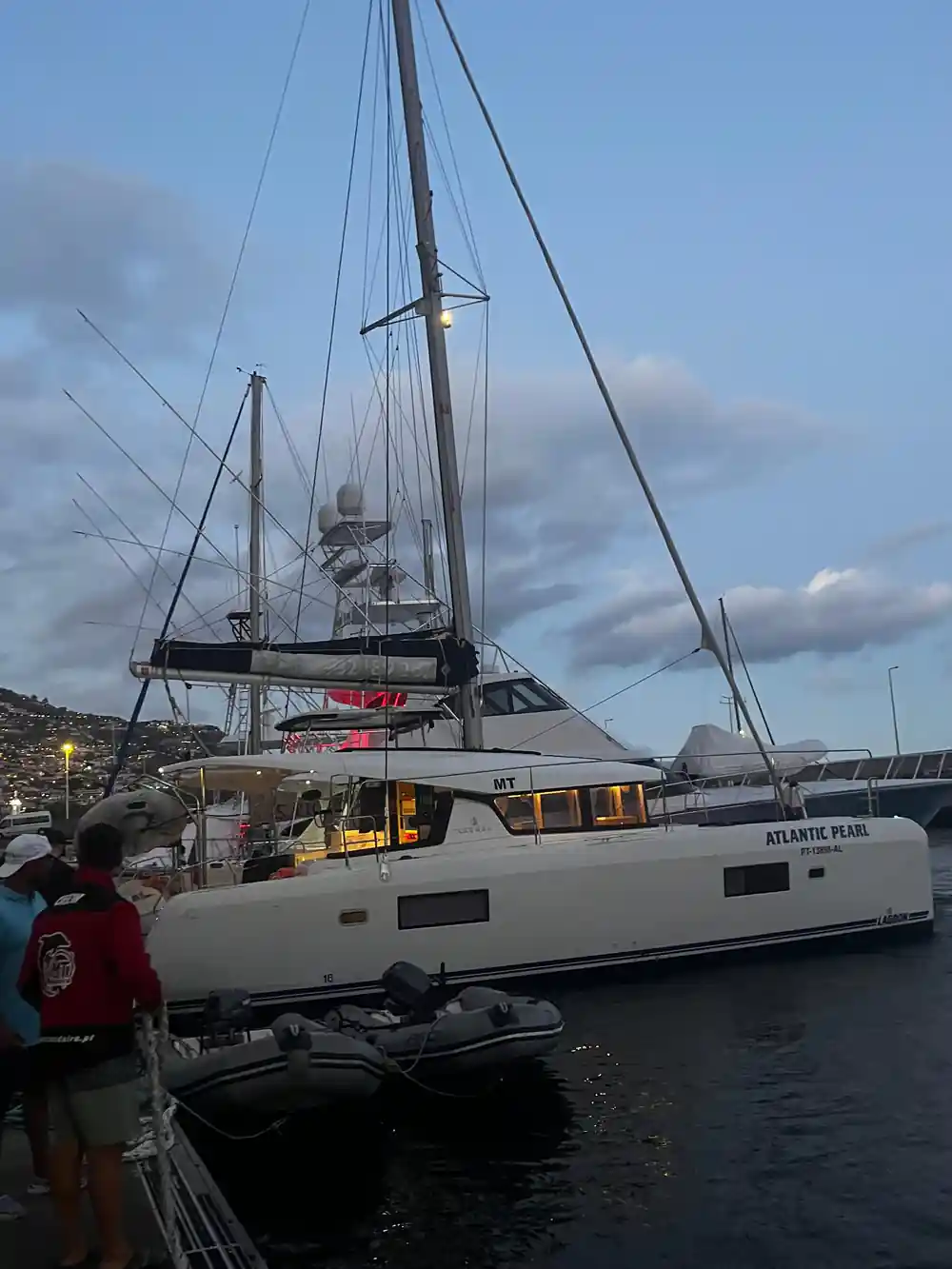
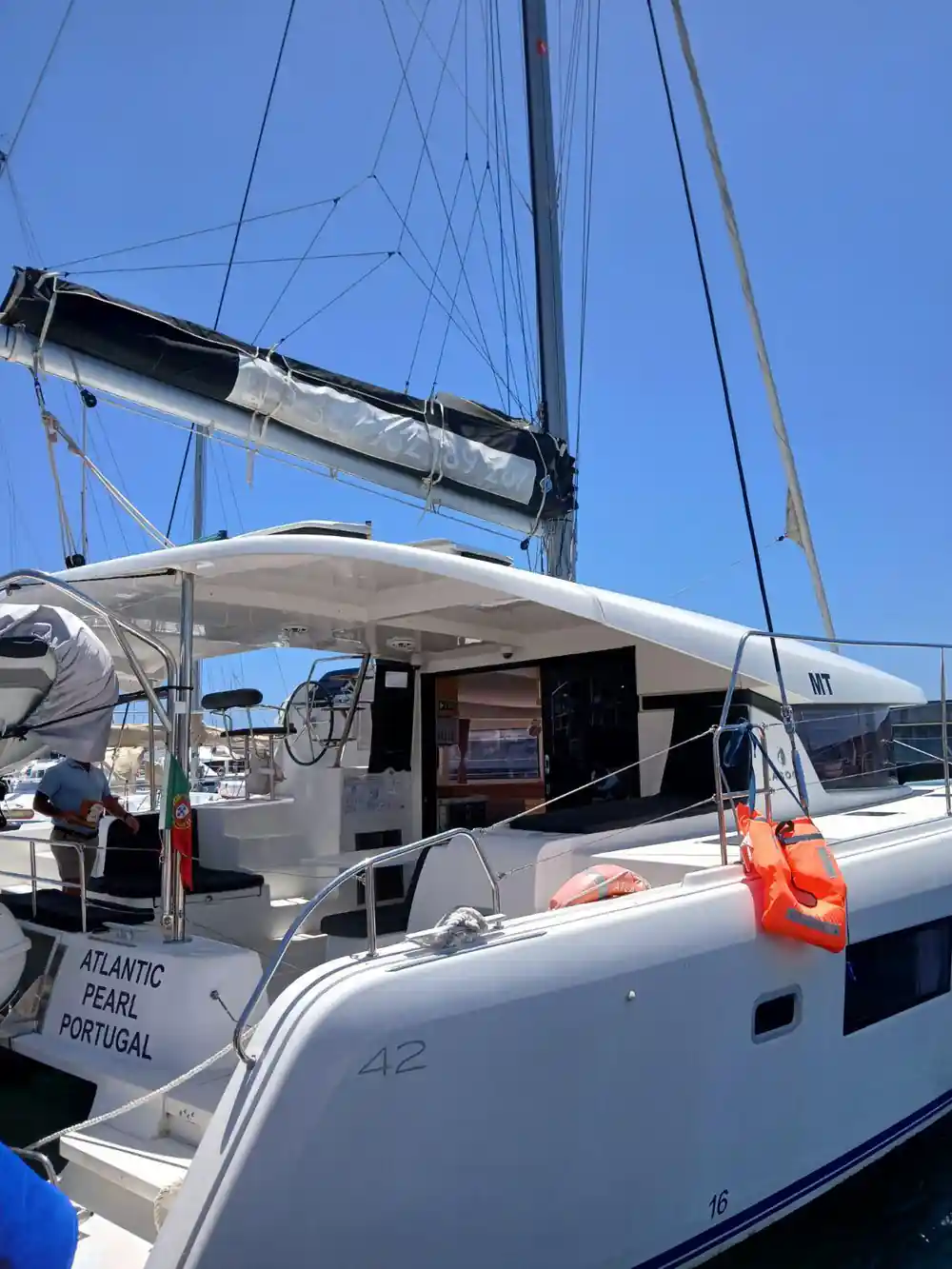
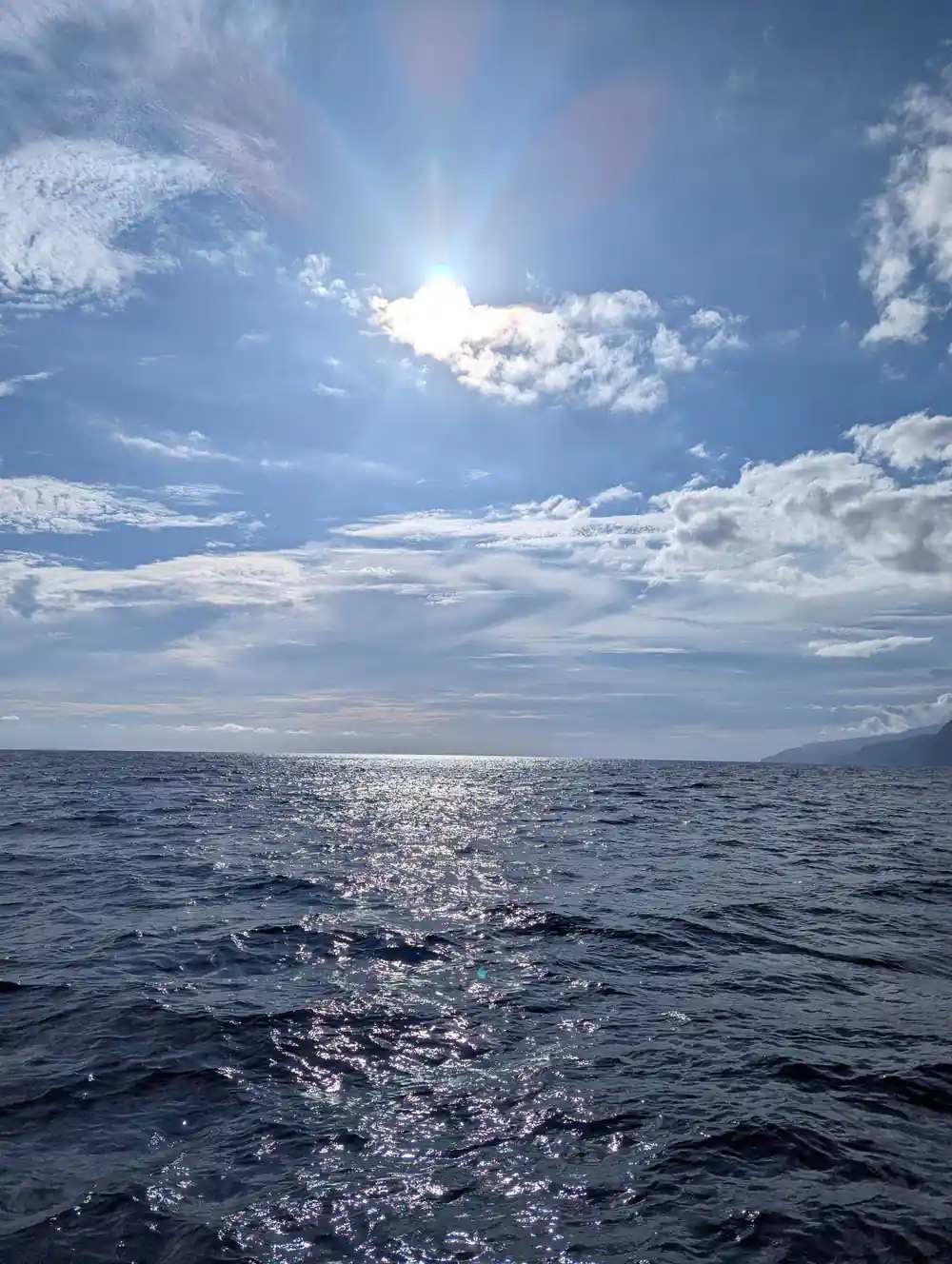
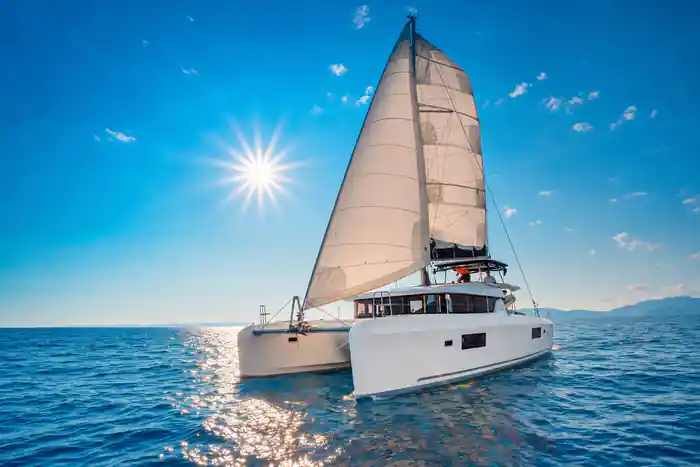
The difference is the hull, and it changes the whole day. A catamaran has two of them, set wide apart, and that geometry resists rolling in a way a single hull cannot. On the Atlantic swell south of Madeira, which is rarely absent even on a calm day, that is the difference between a boat you brace against and a boat you walk around on.
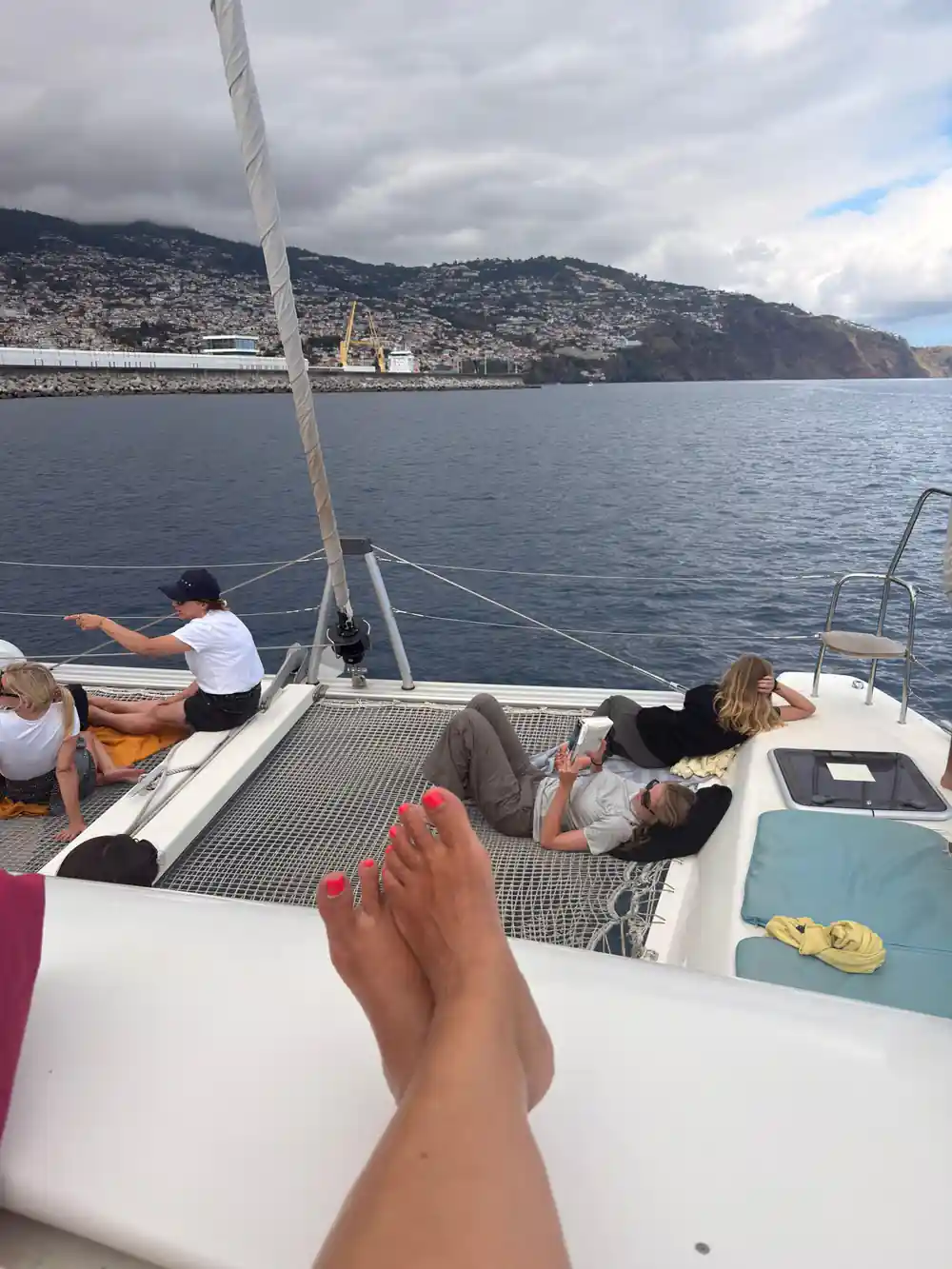
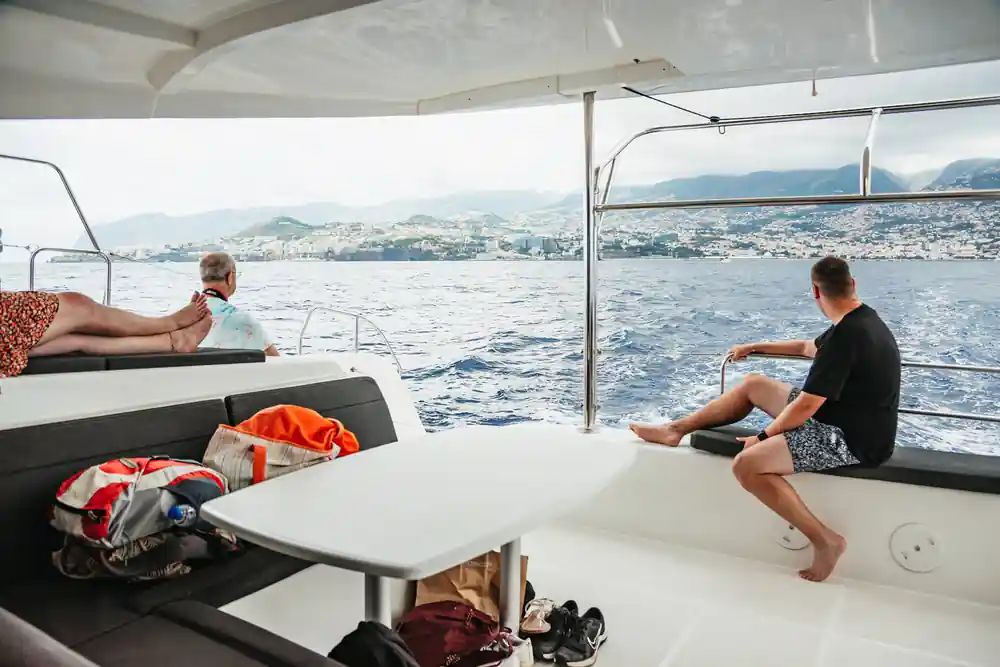
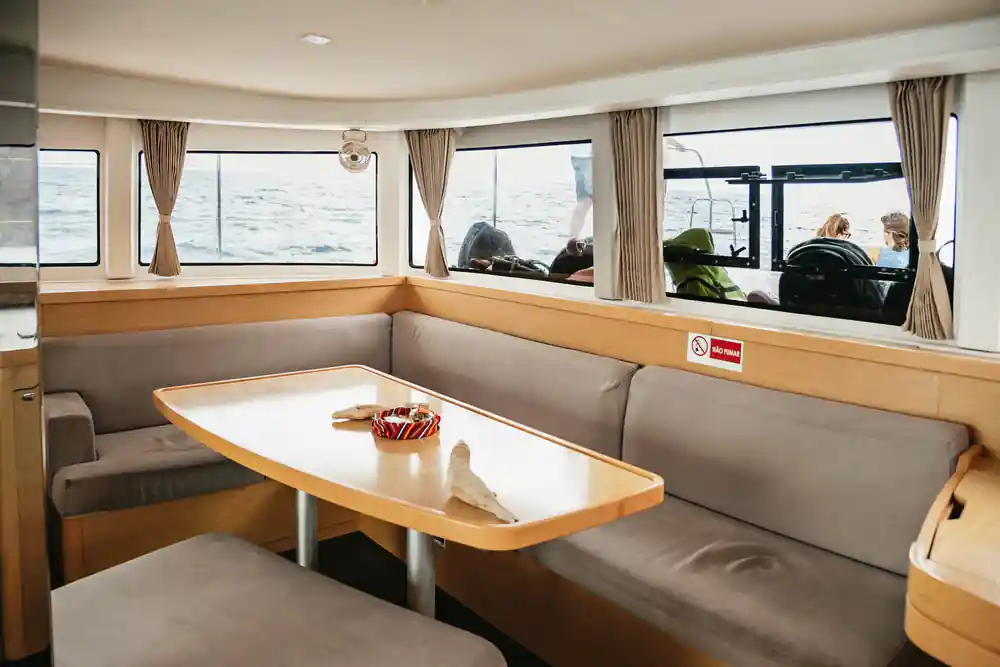
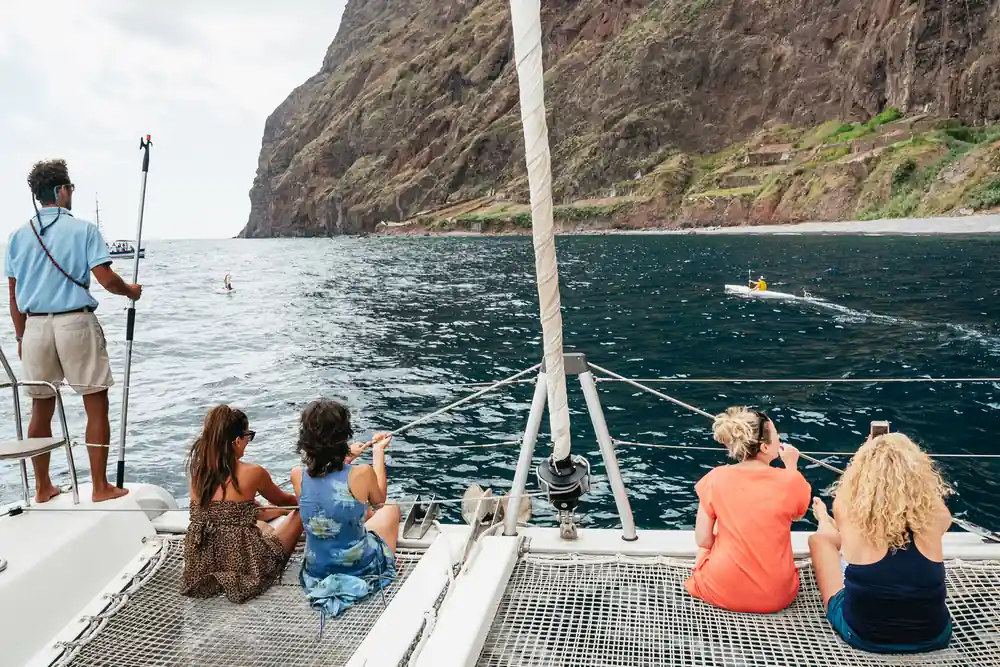
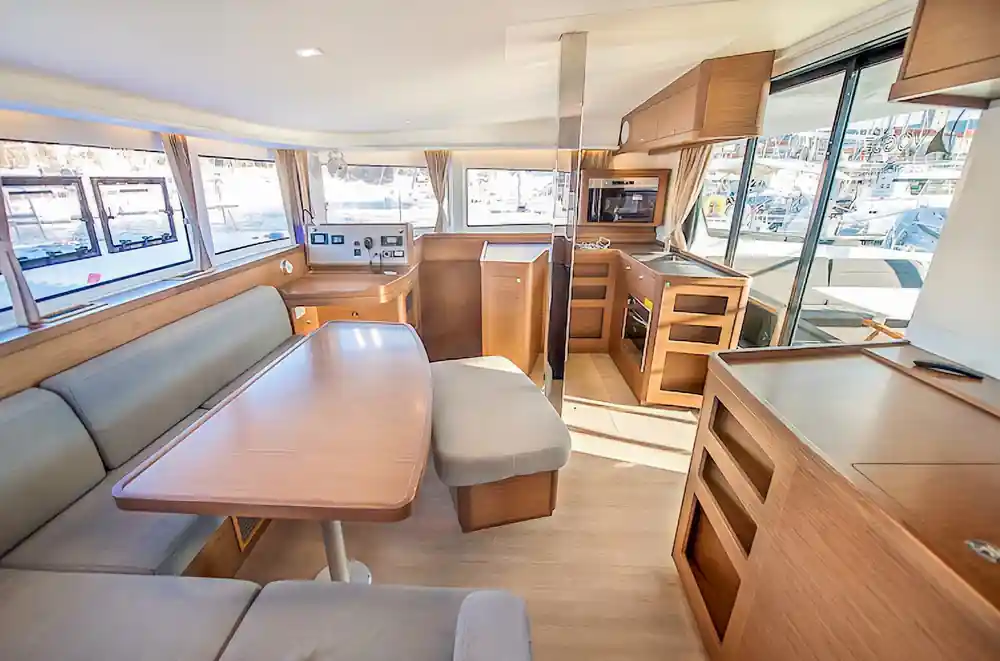
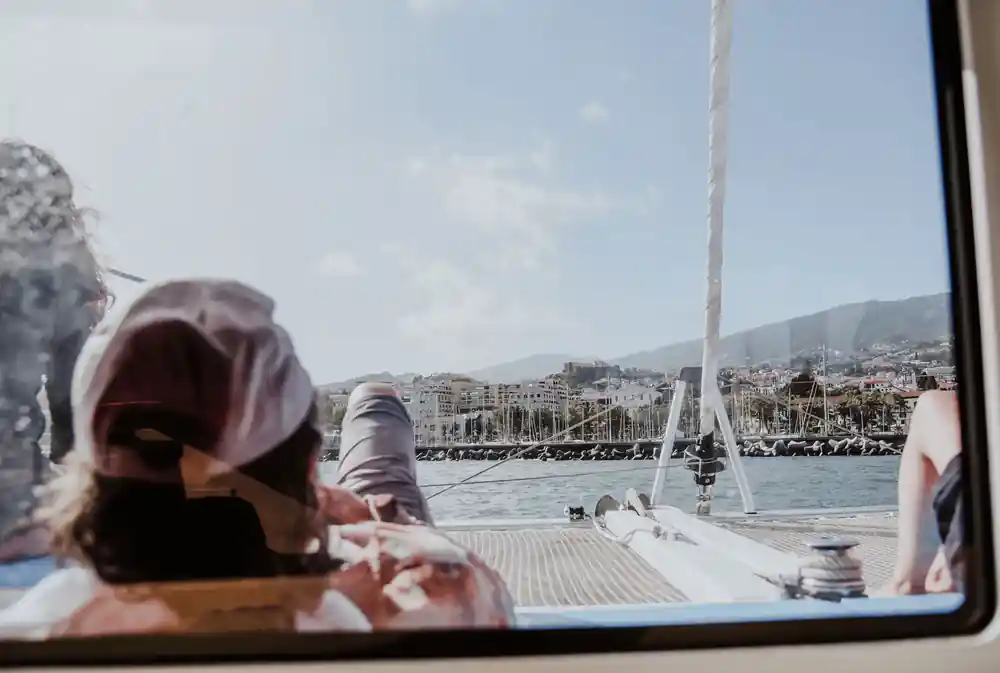
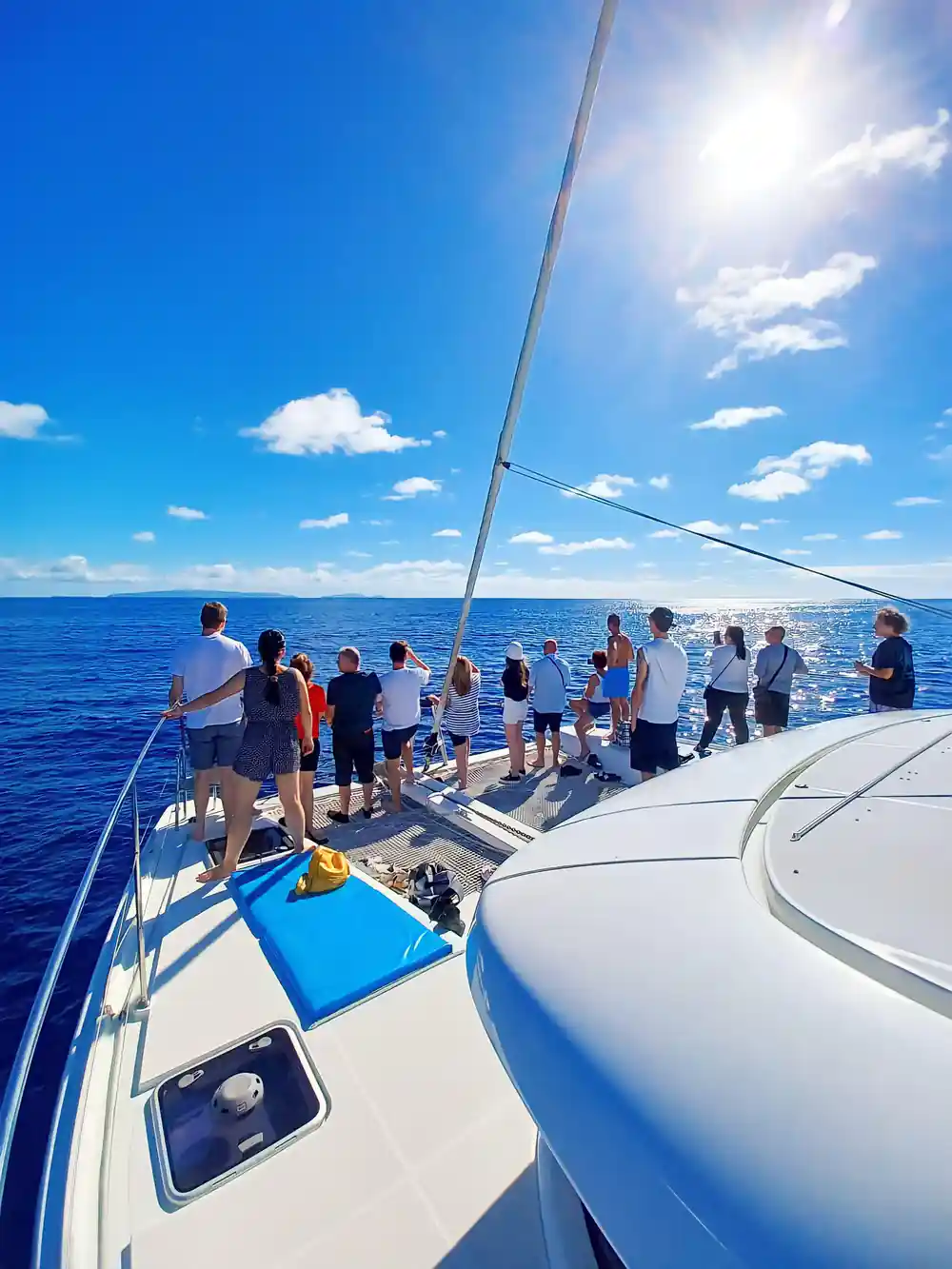
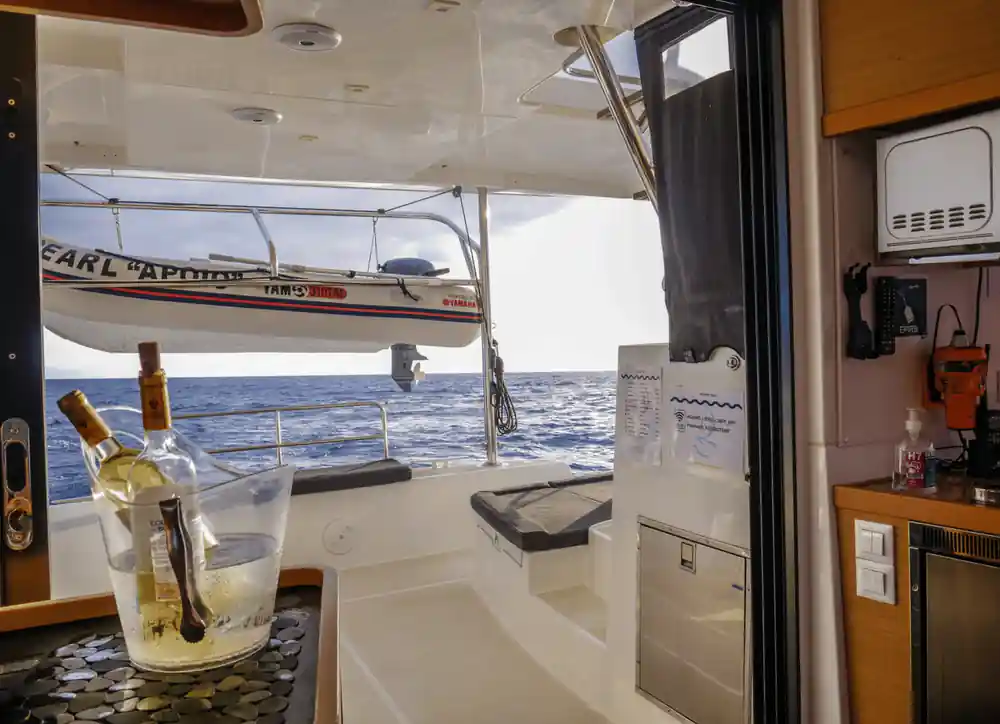
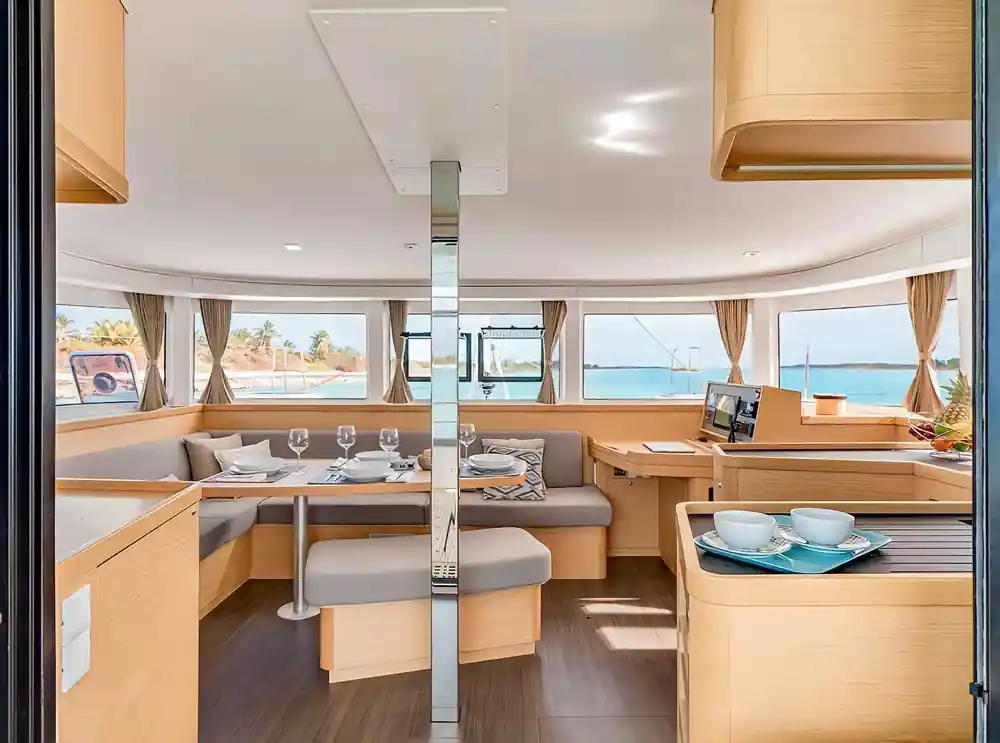
It also gives you space that a fast boat simply does not have. Between the two hulls there is a wide deck, trampoline nets at the bow you can lie on, a shaded cockpit, and an indoor saloon with proper seating if the sun becomes too much. Over three hours, being able to change where you are sitting turns out to matter.
The water off Funchal, and why the whales are there
Madeira is the top of a volcano. The island does not sit on a shelf that shelves gently away; it drops off steeply into ocean more than a kilometre deep, and it does so remarkably close to shore. That is the fact that makes a three-hour trip from a city marina worth taking at all.
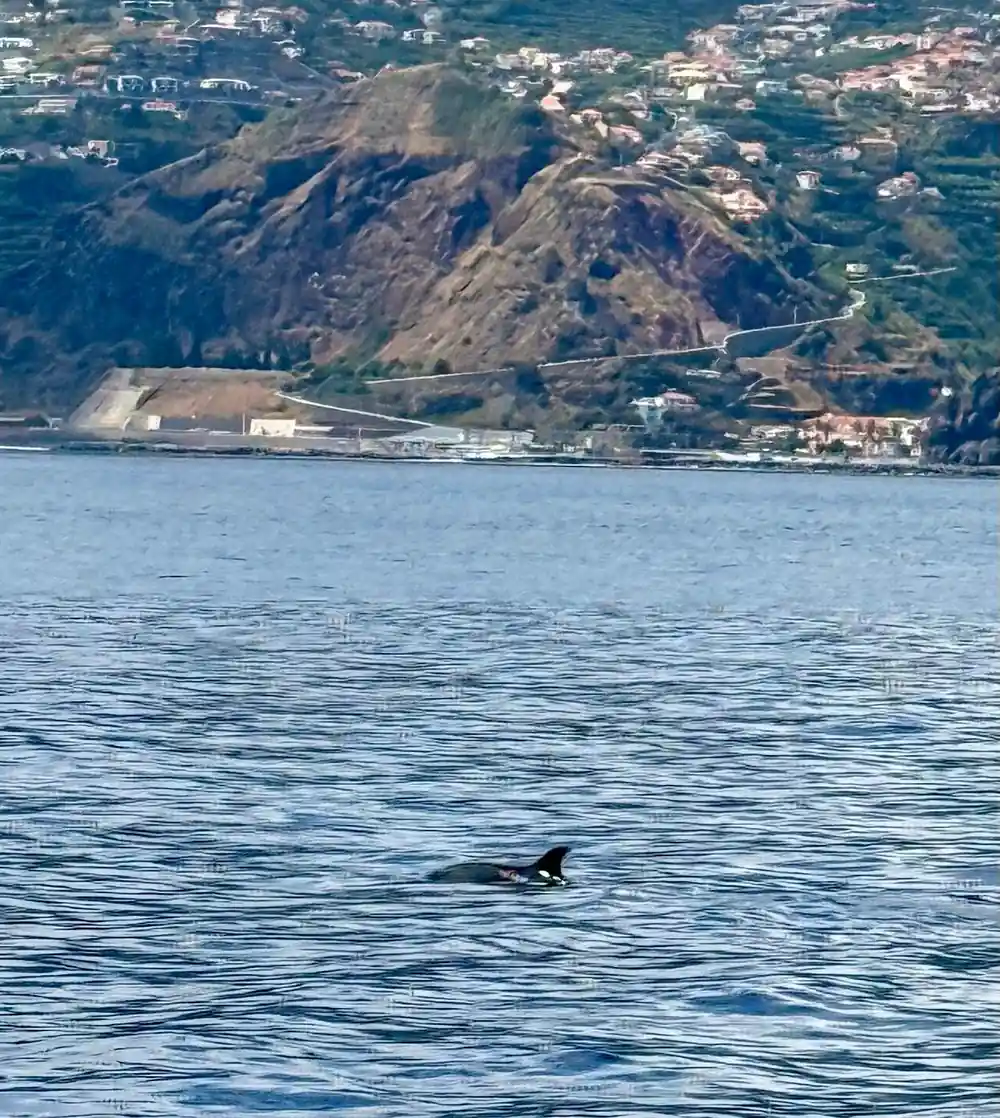
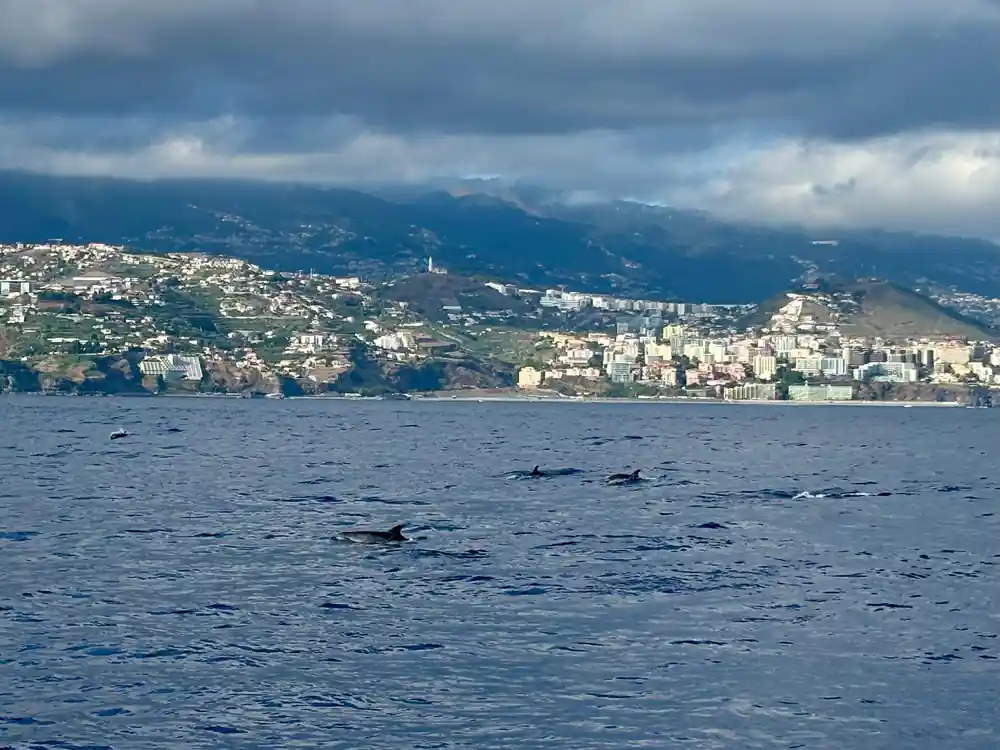
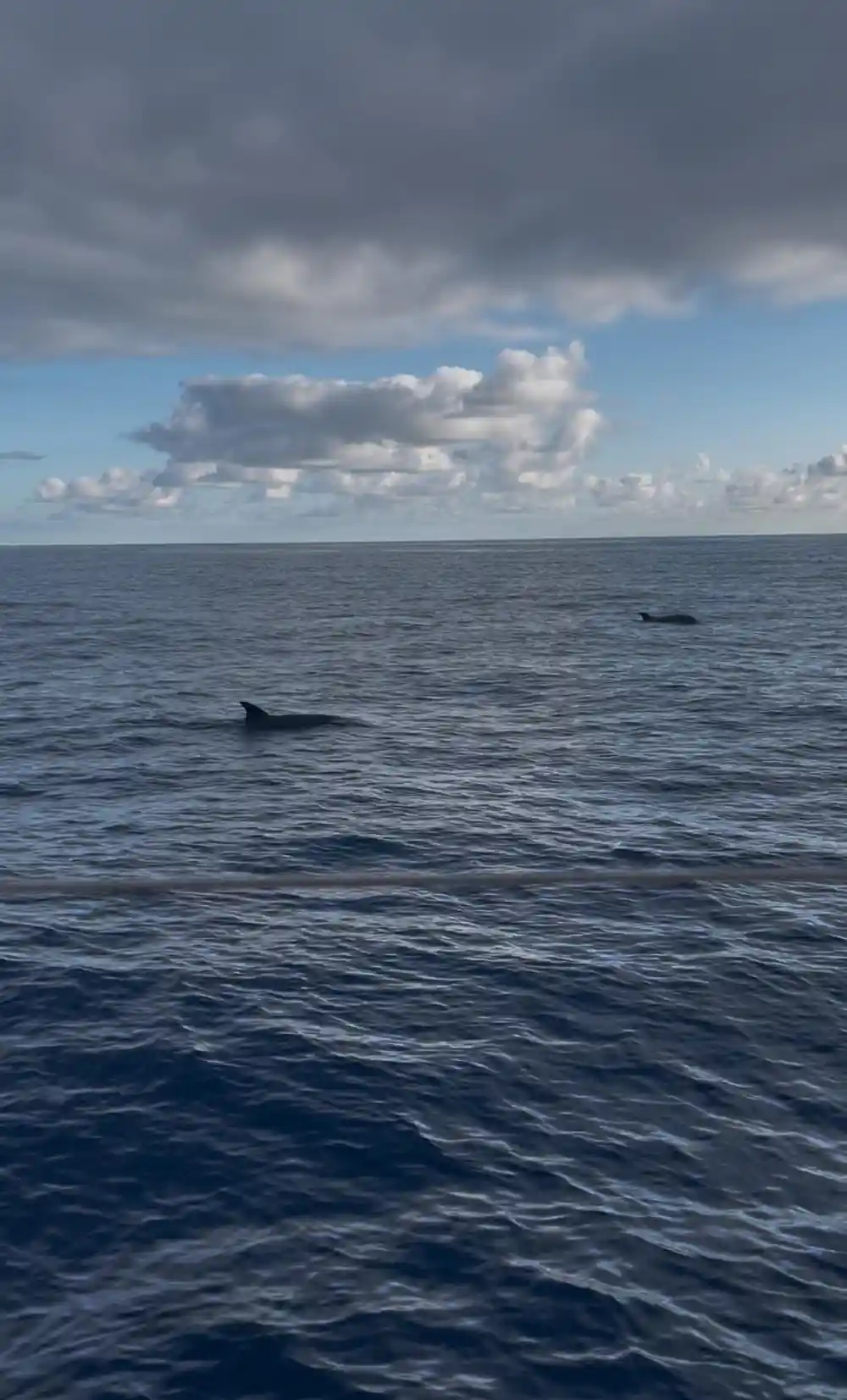
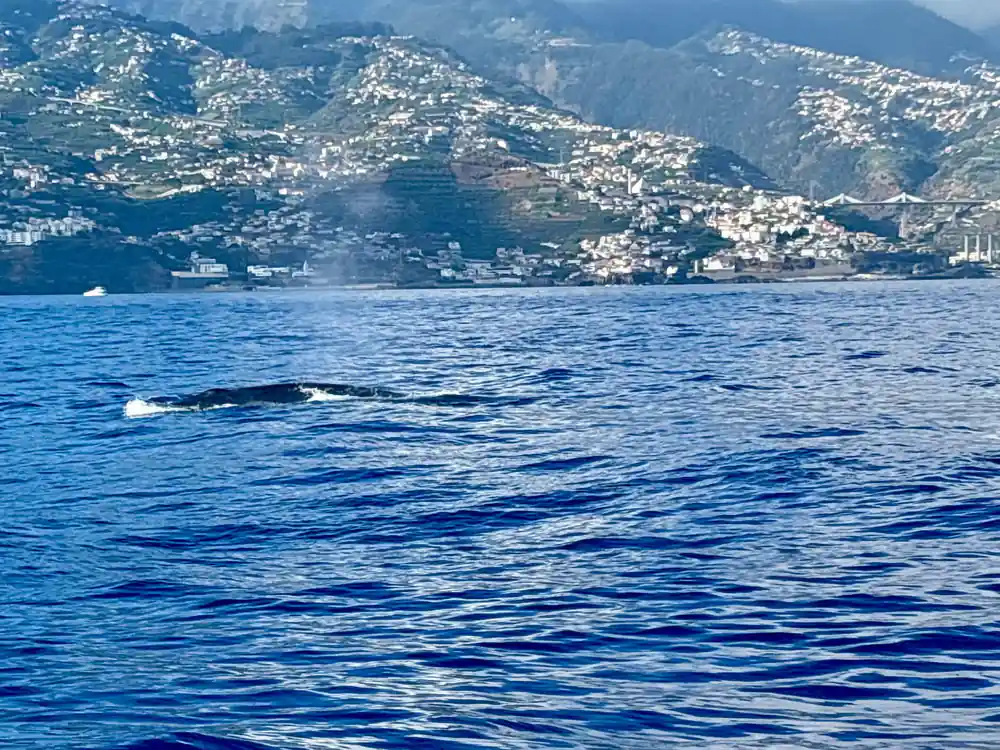
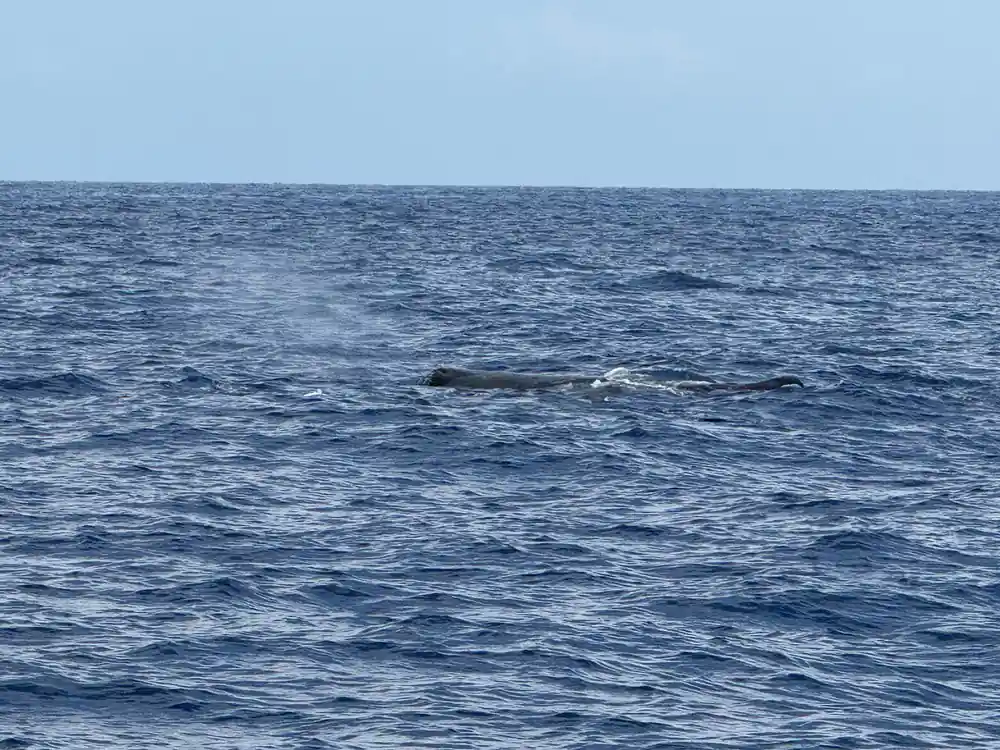
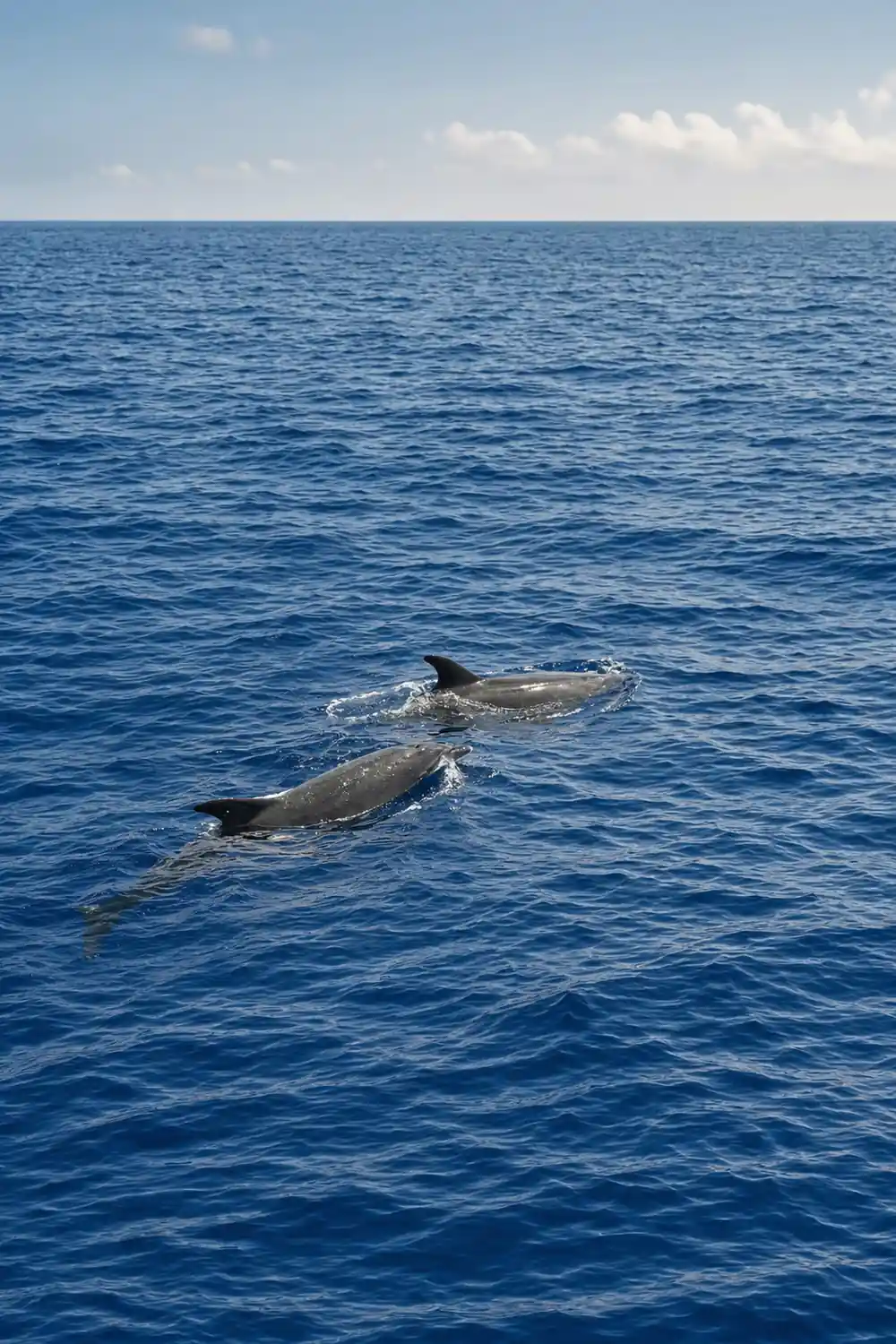
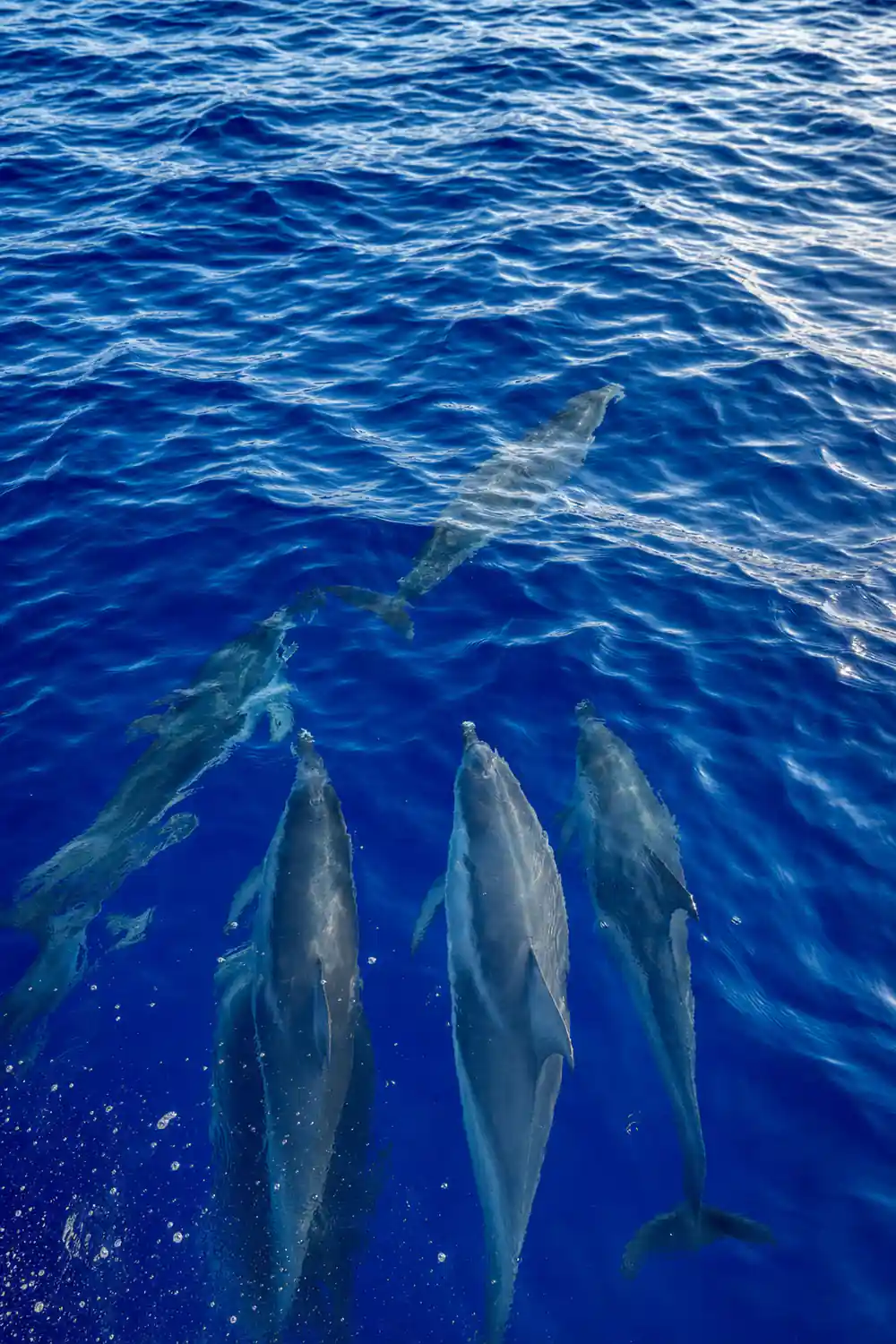
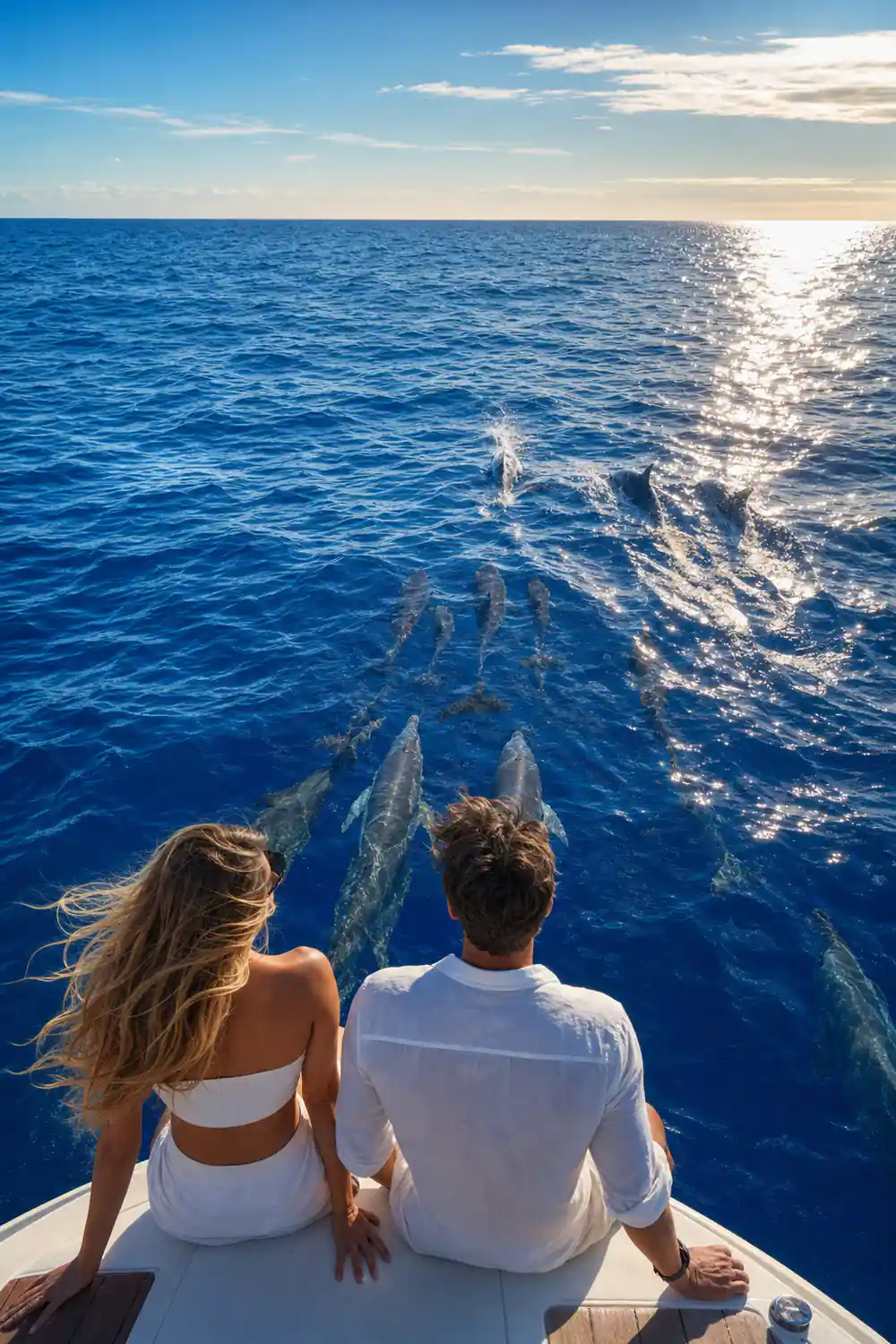
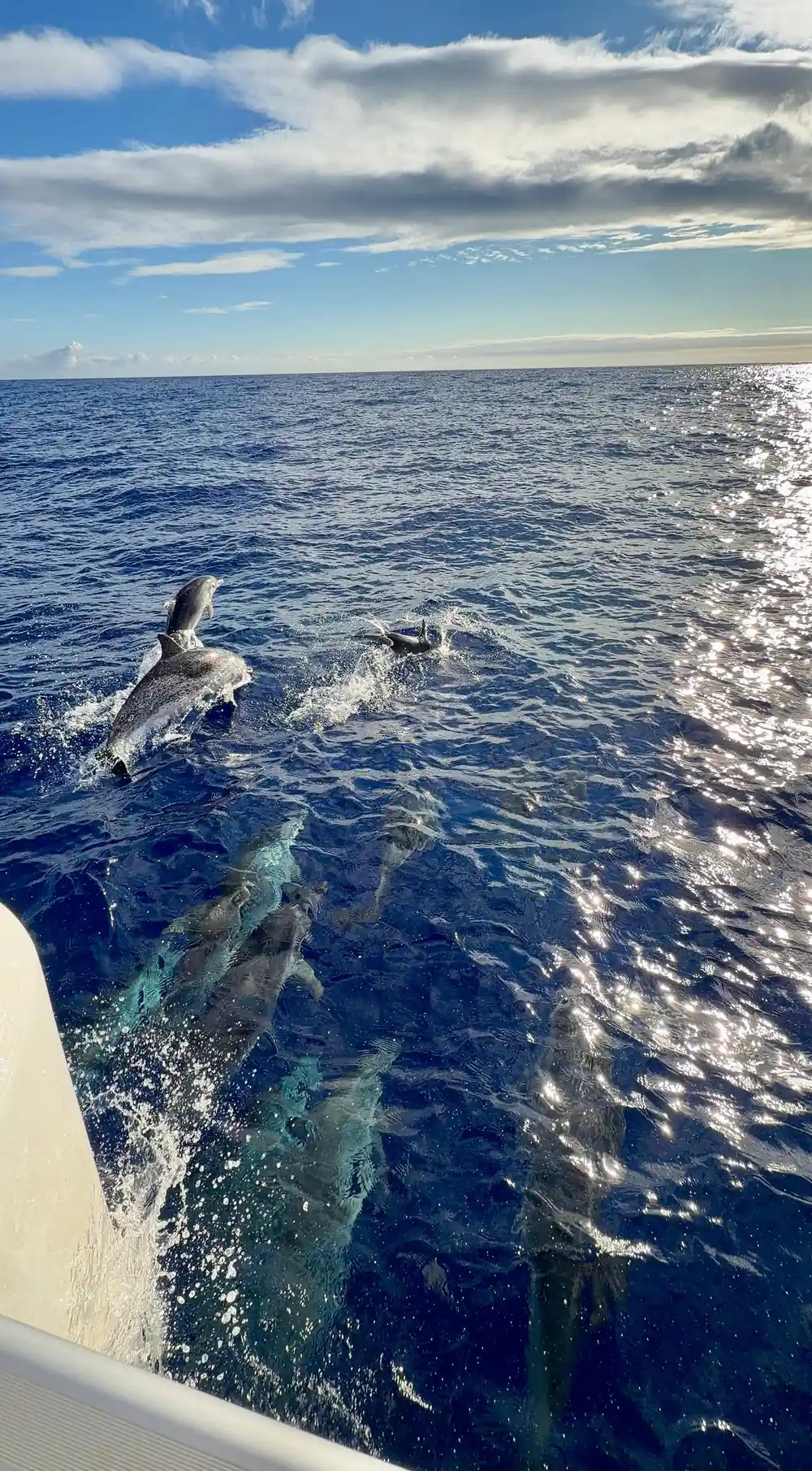
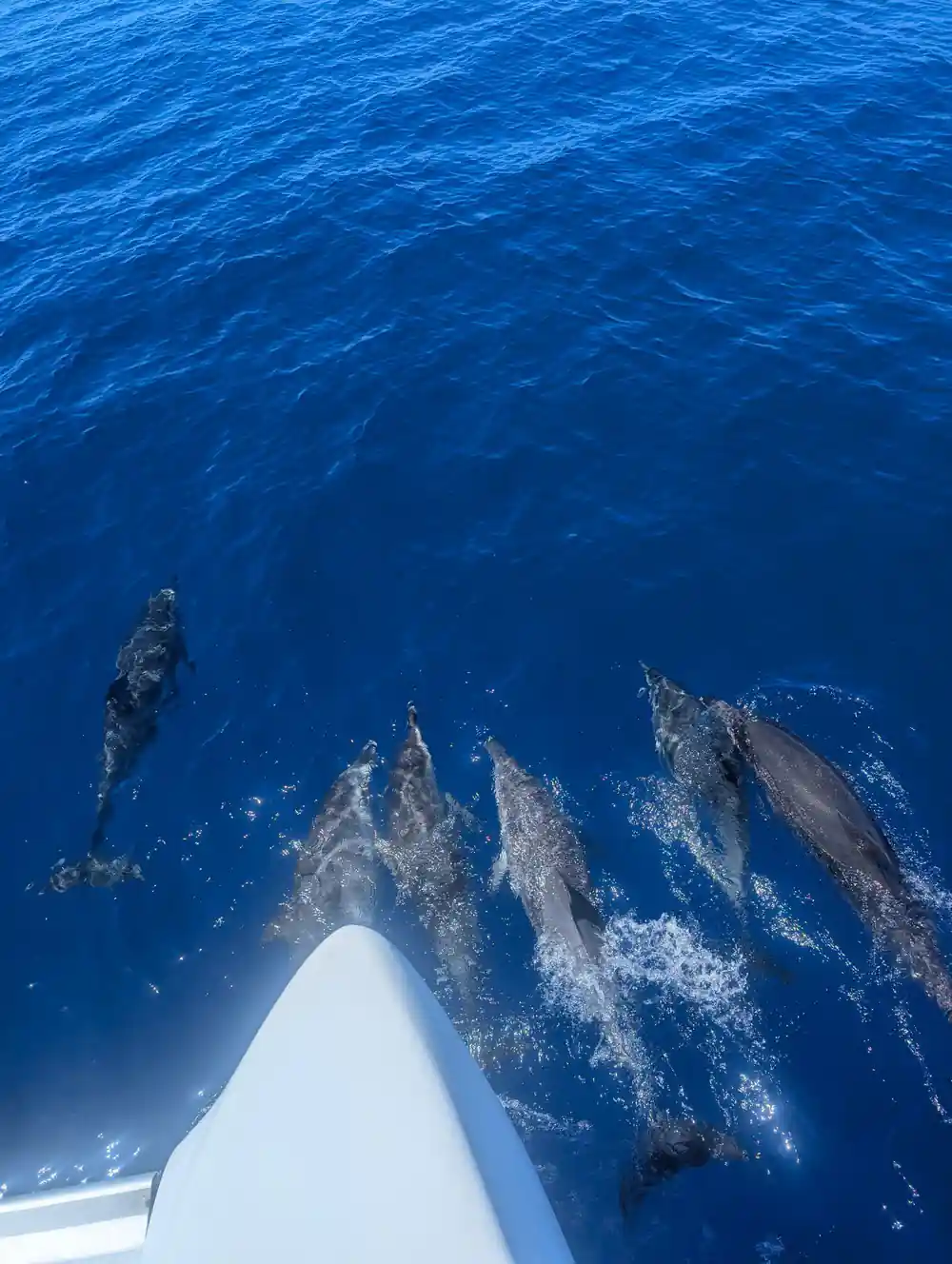
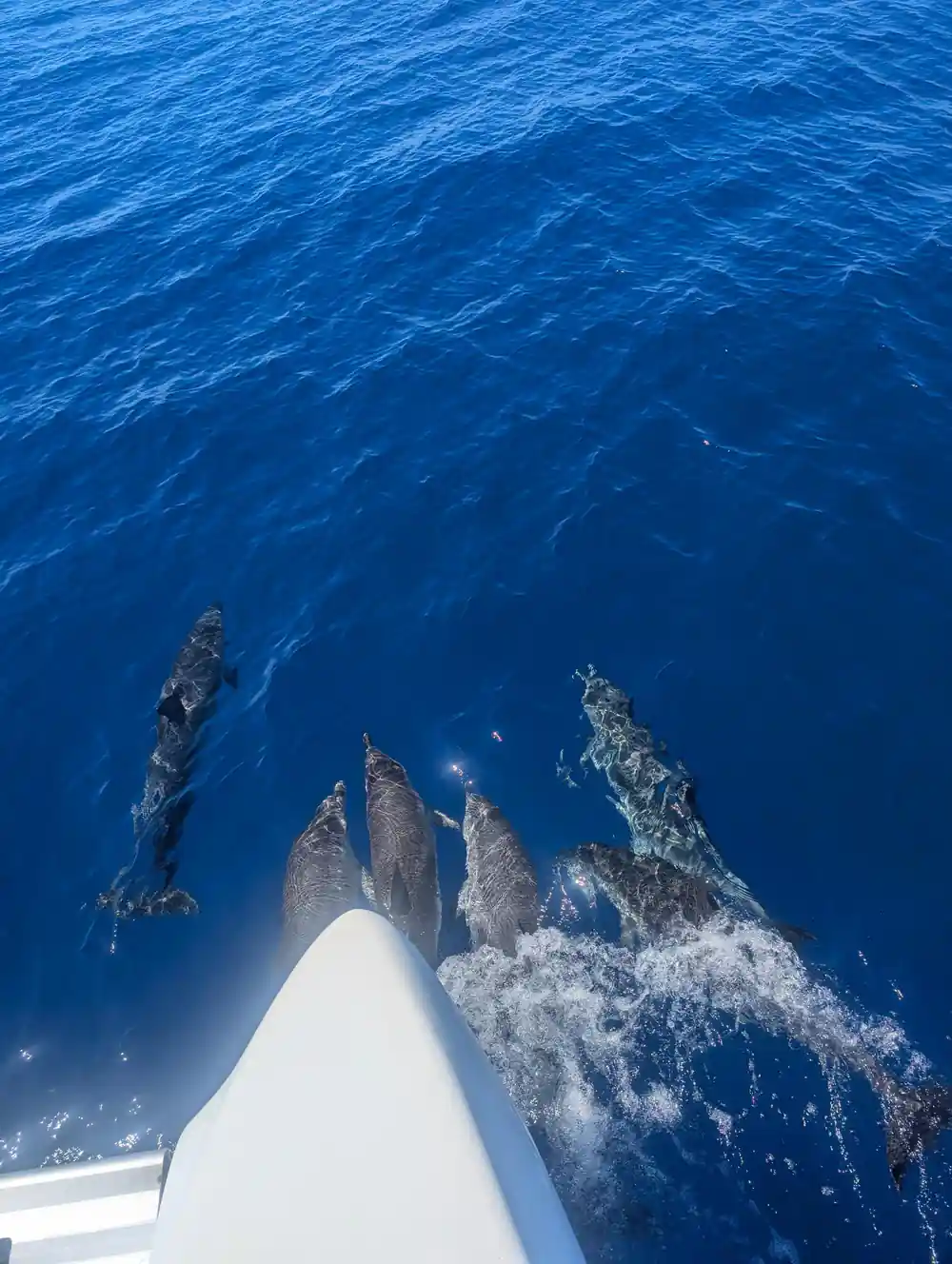
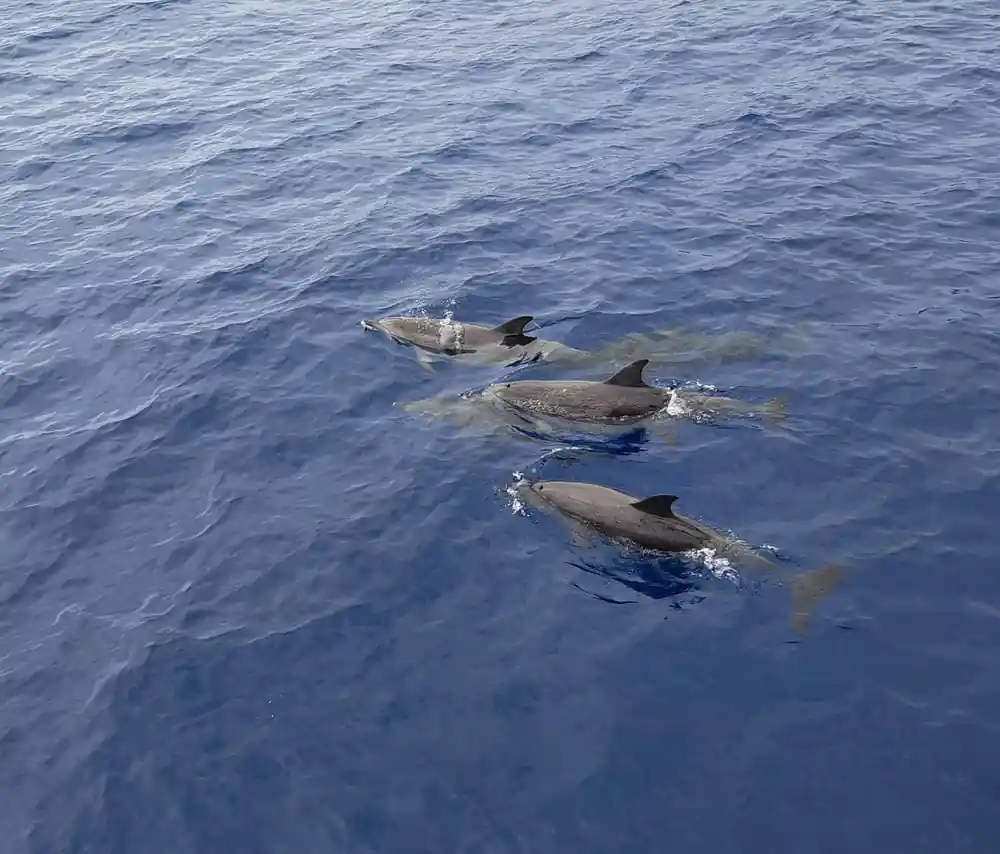
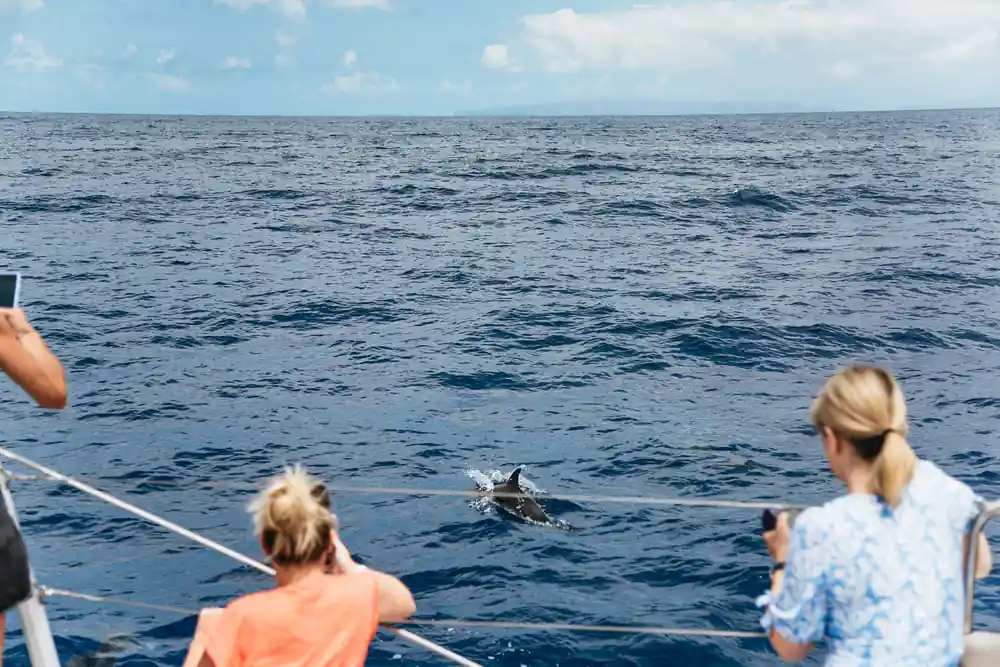
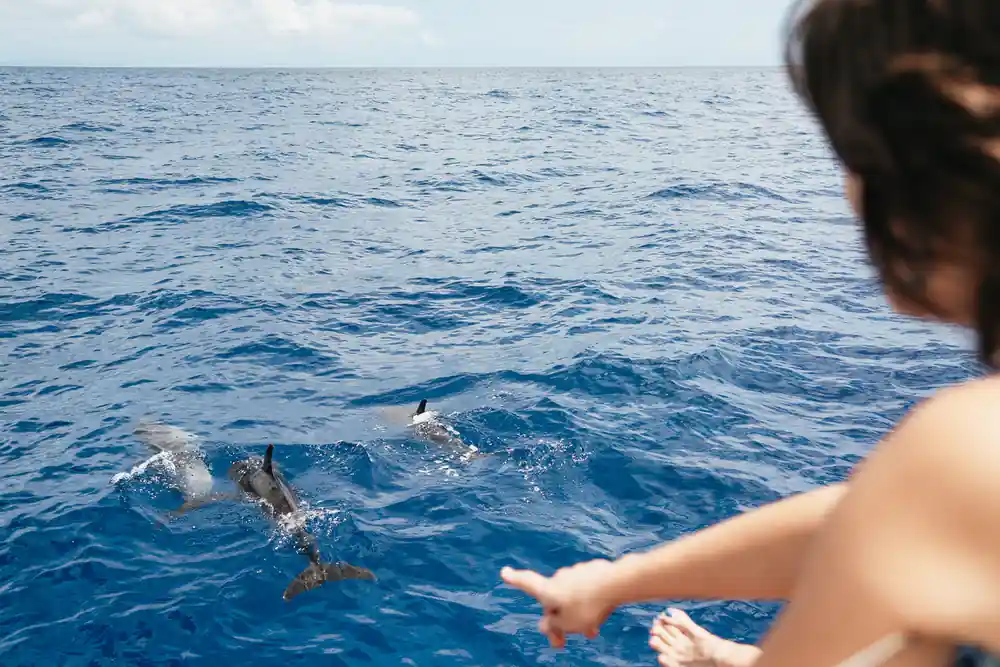
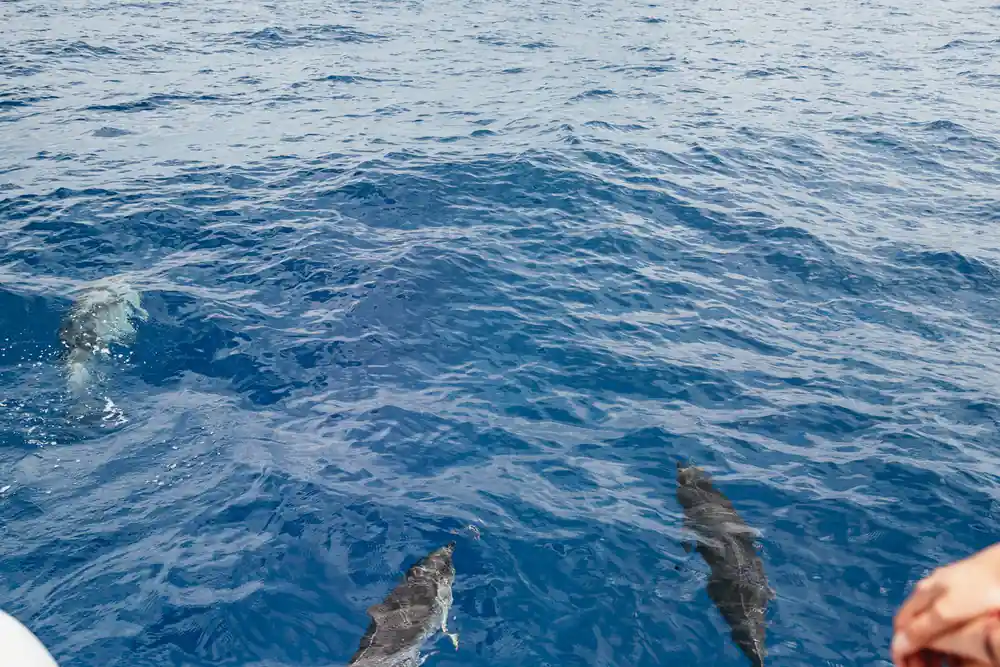
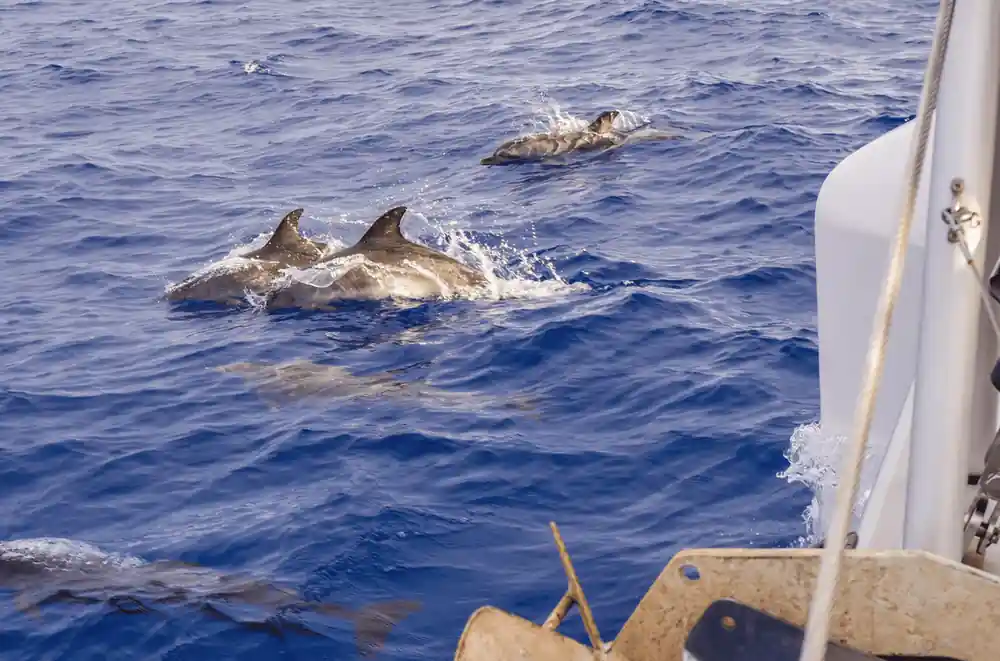
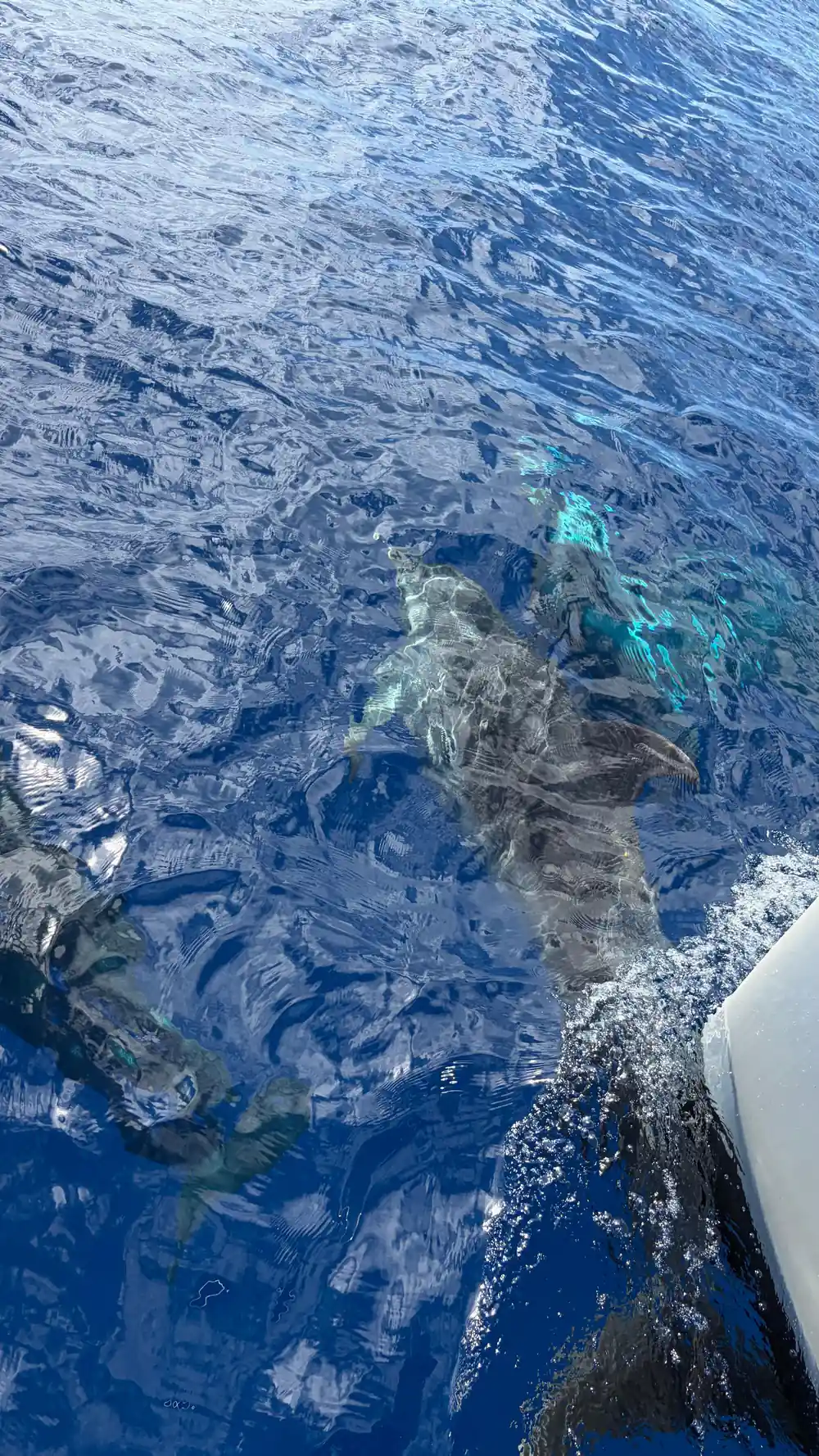
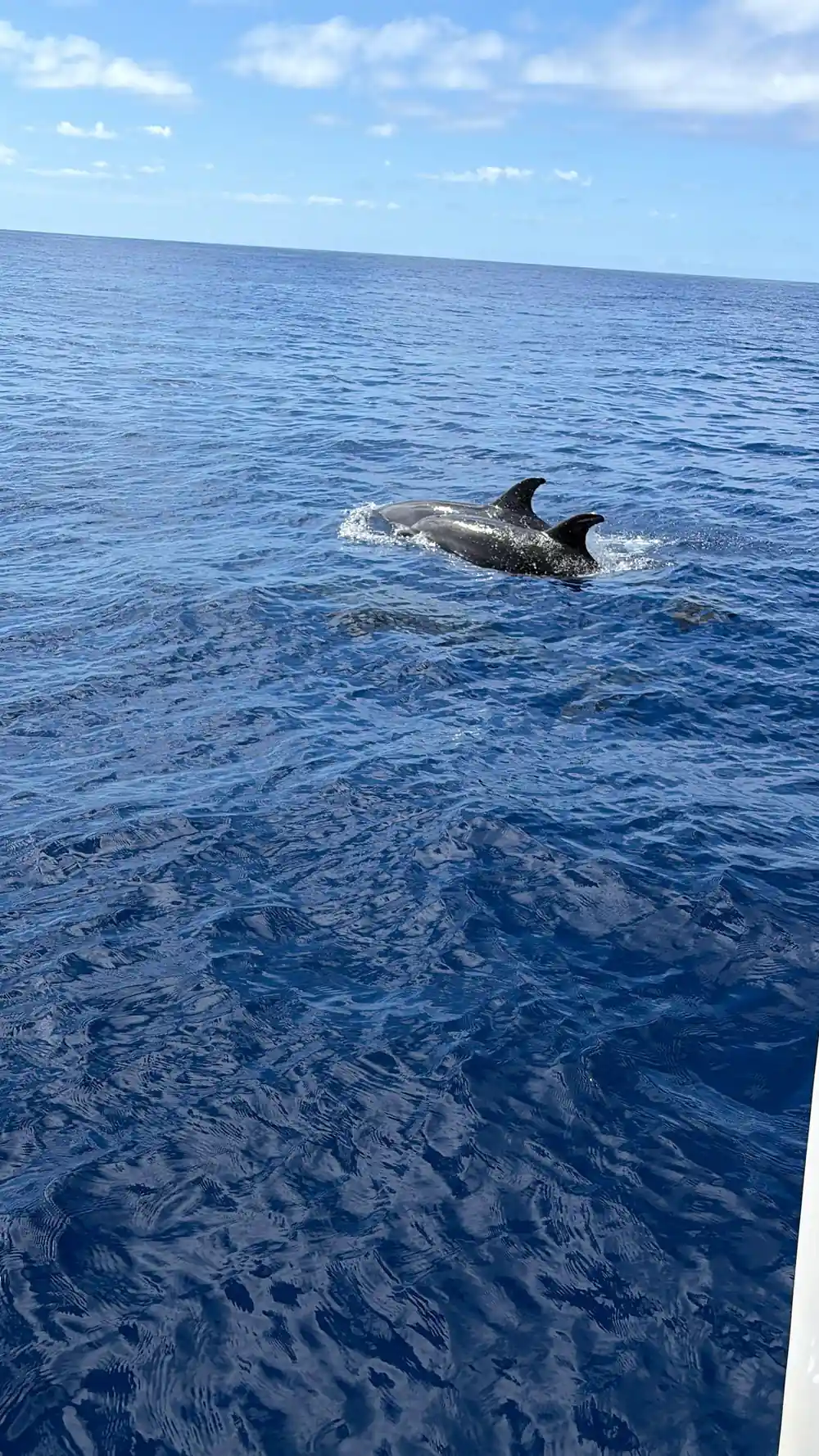
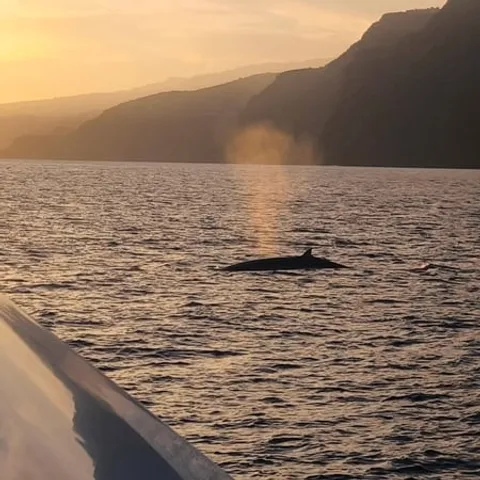
Deep water close in means deep-water animals close in. Bottlenose and common dolphins are resident here and are seen on the large majority of trips. Beyond them, the list of species recorded off Madeira is long and includes pilot whales, sperm whales and Bryde's whales. Sightings can never be promised, and any operator who promises them is not being straight with you, but the odds here are unusually good.
The swim stop under Cabo Girao
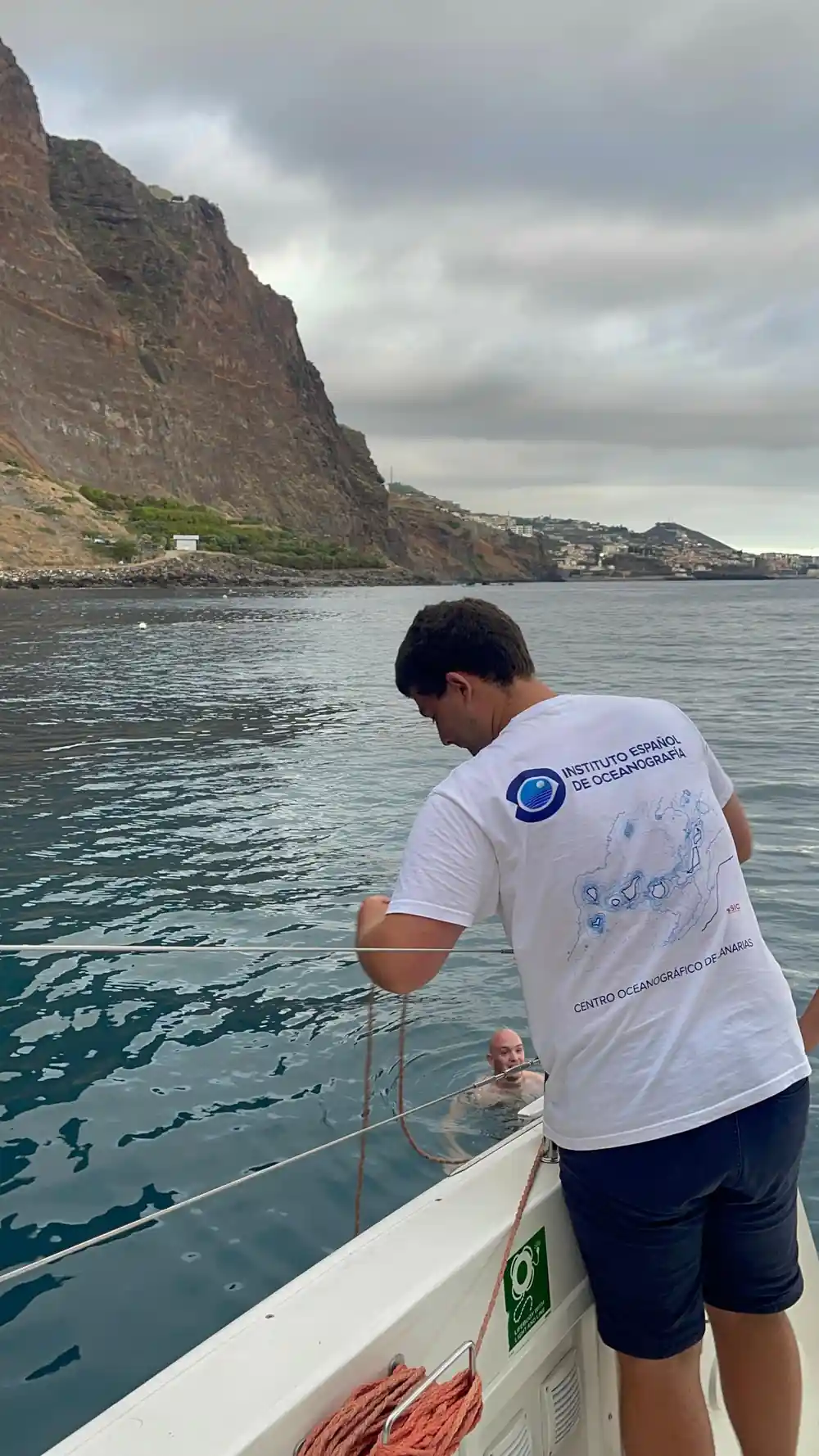
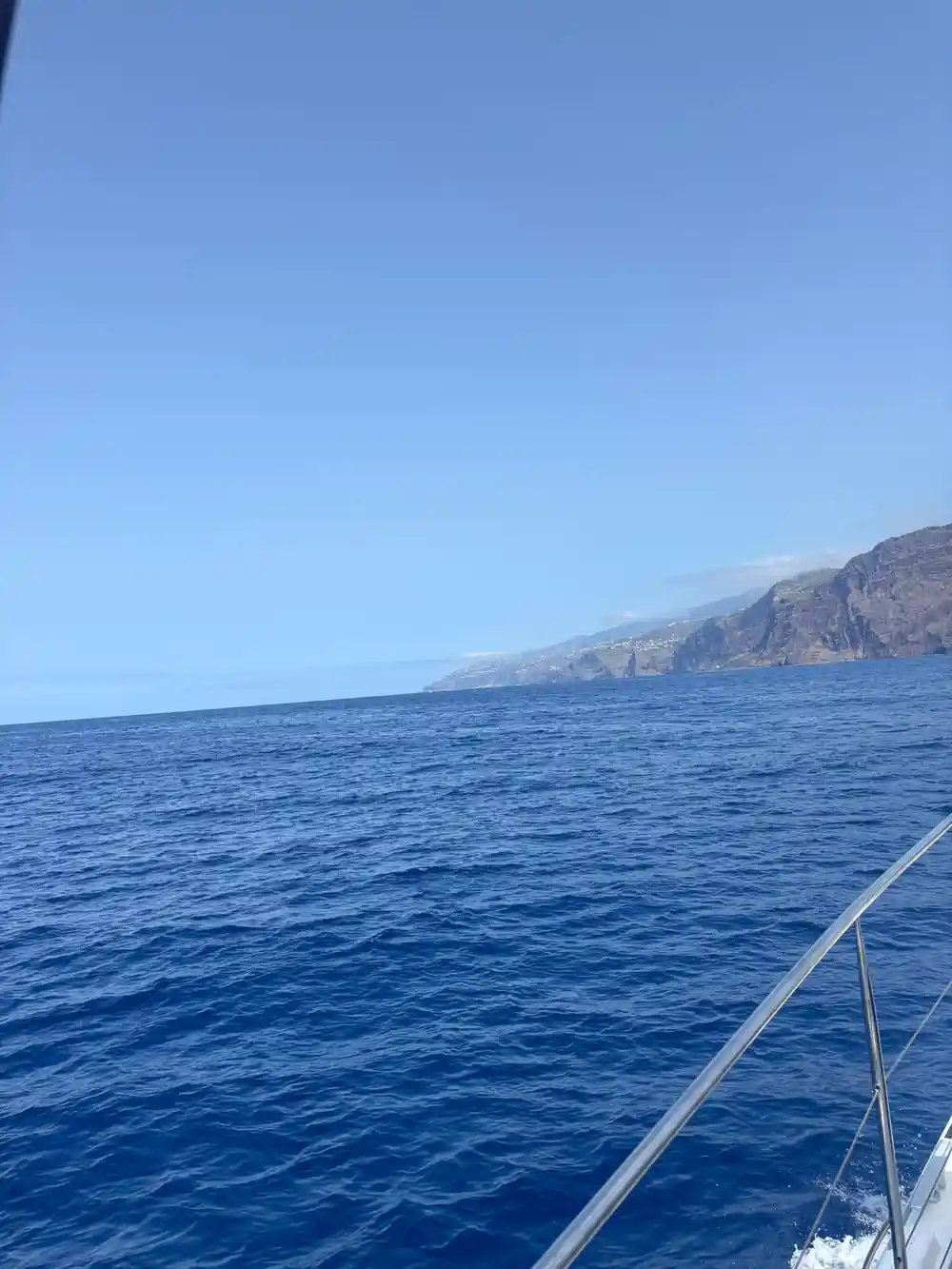
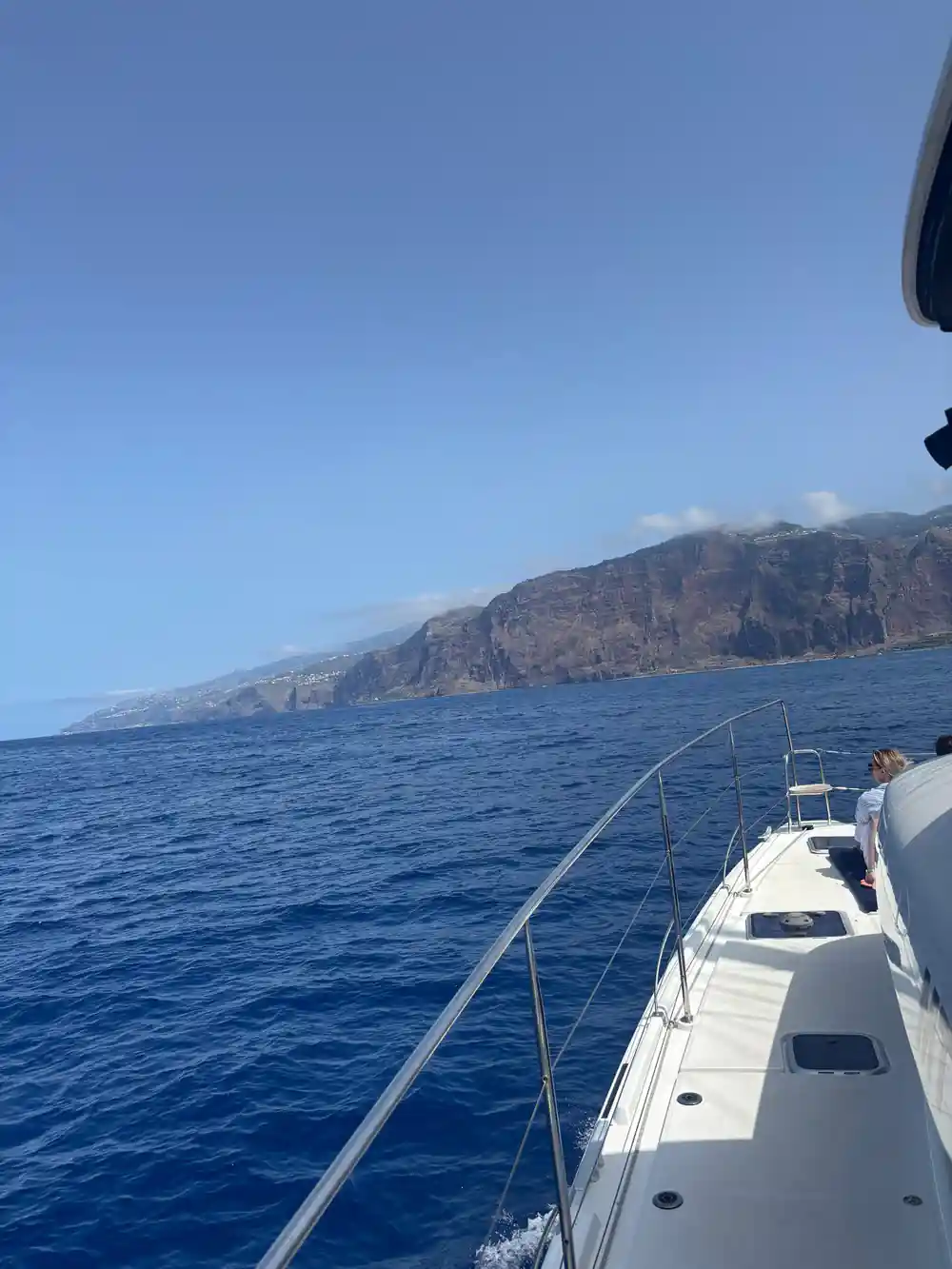
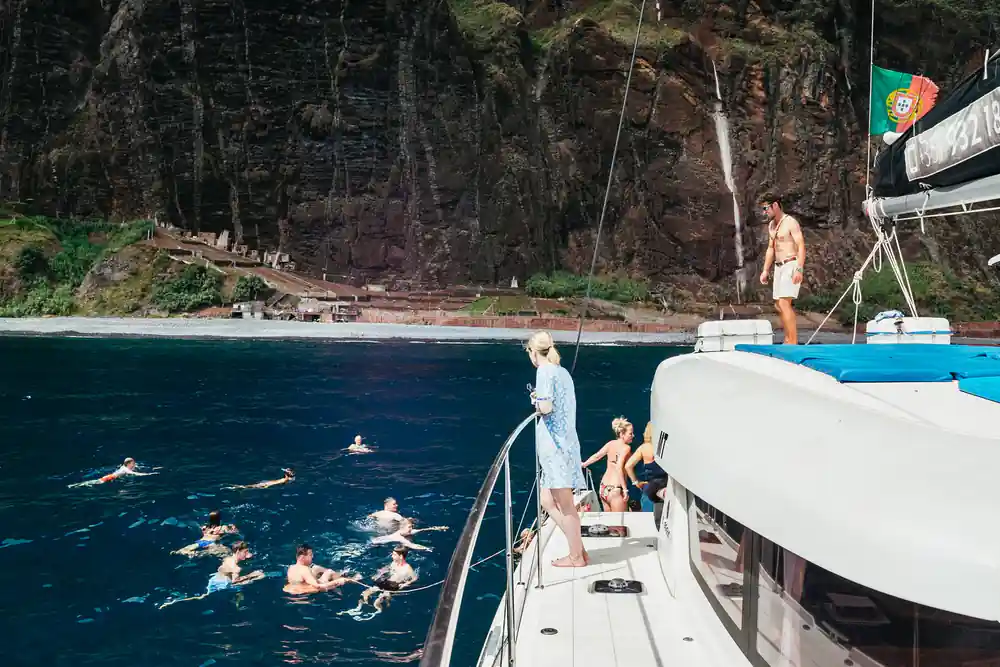
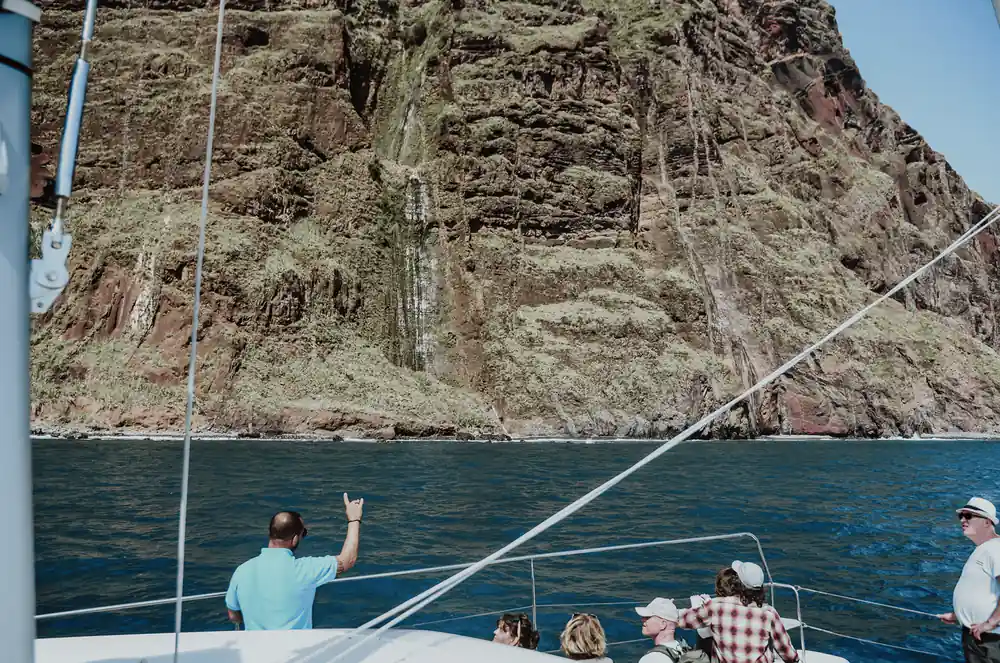
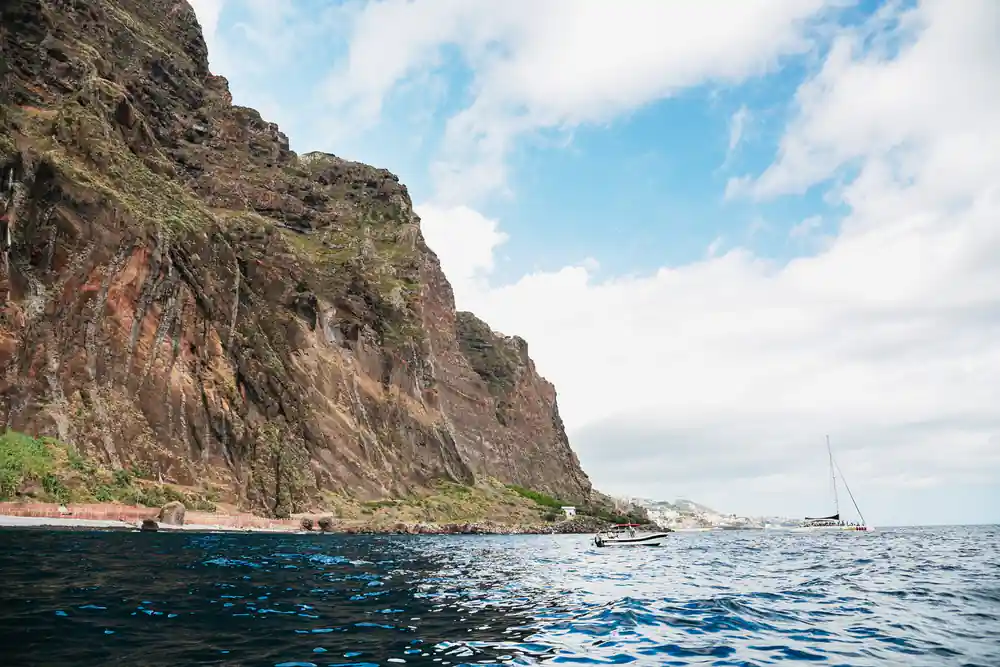
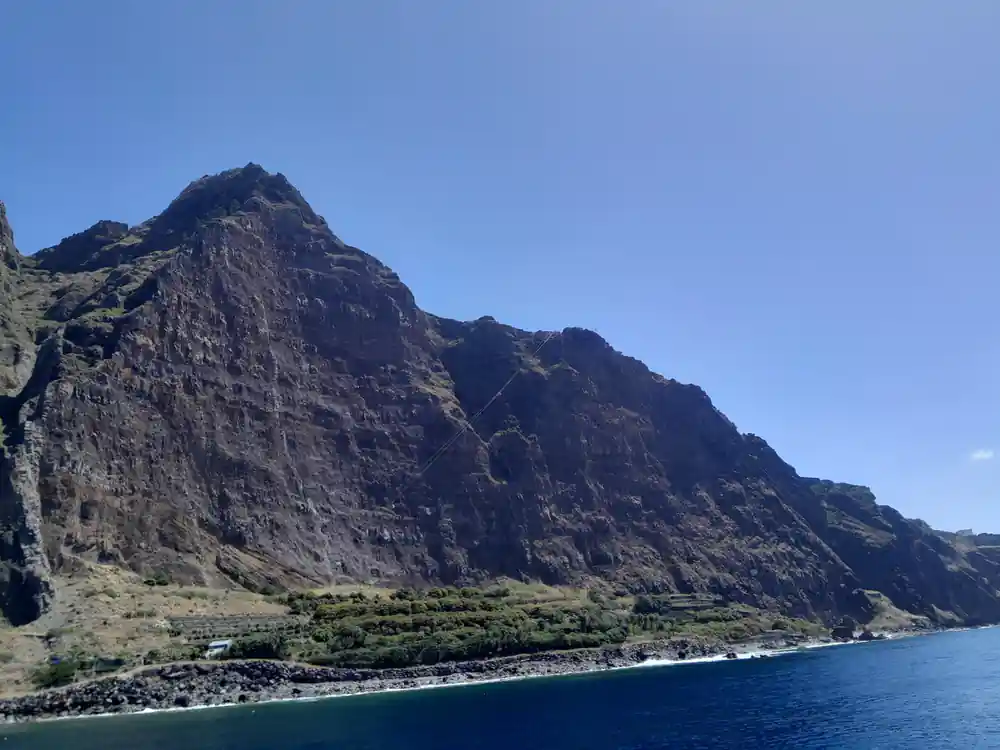
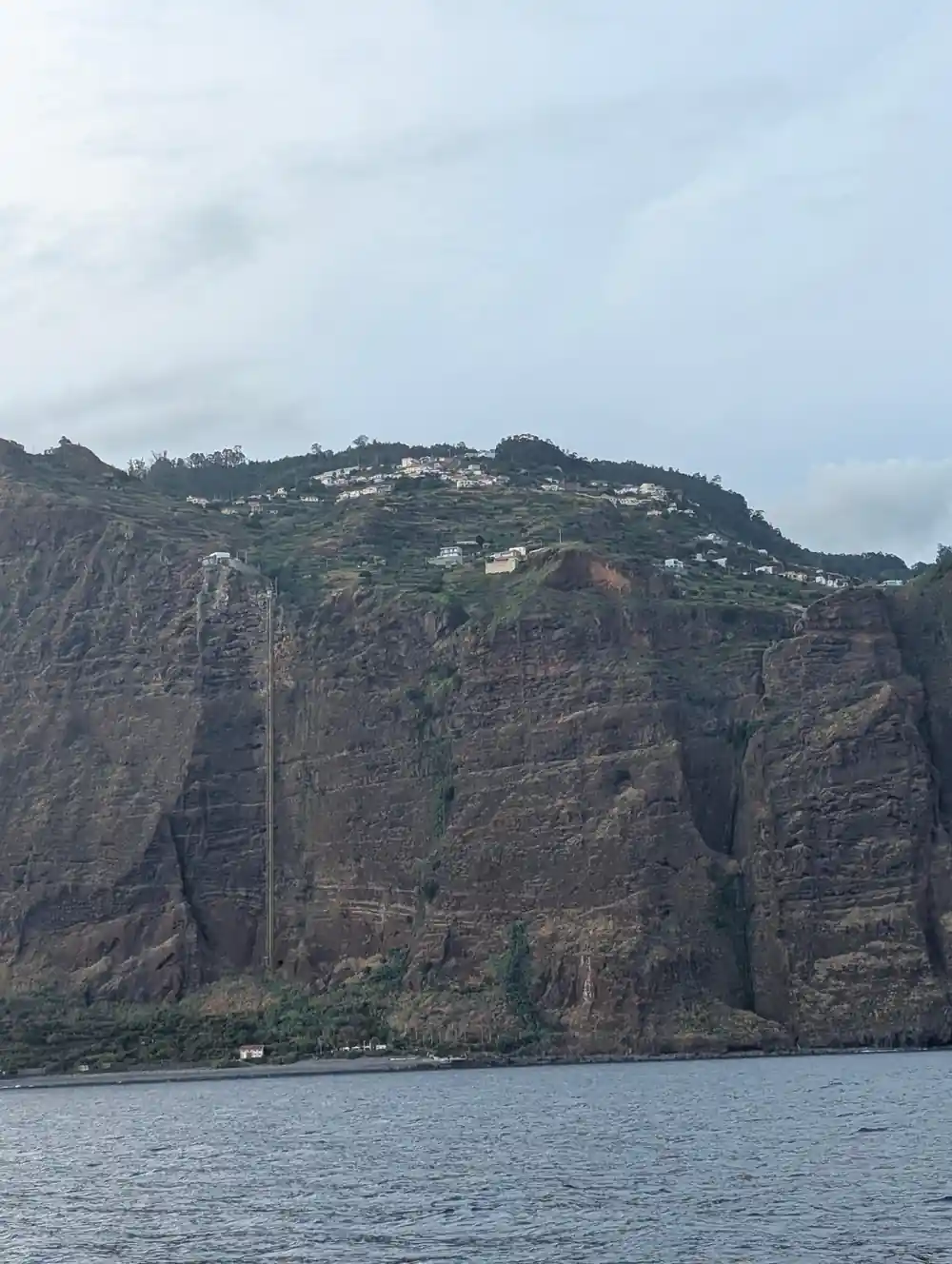
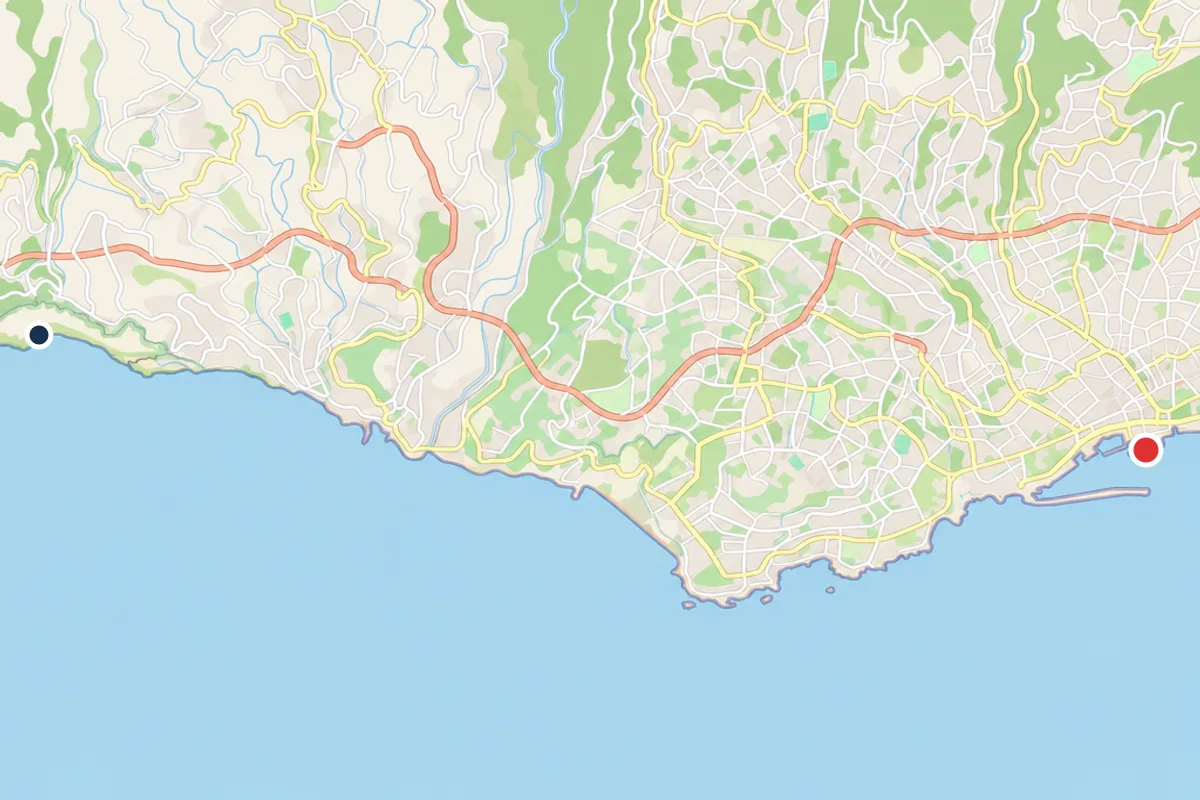
About two thirds of the way through, the boat runs west along the coast to Cabo Girao and anchors underneath it. The cliff above you is 580 metres of near-vertical rock, the highest sea cliff in Europe, and the perspective from a boat at its foot is genuinely difficult to take in.
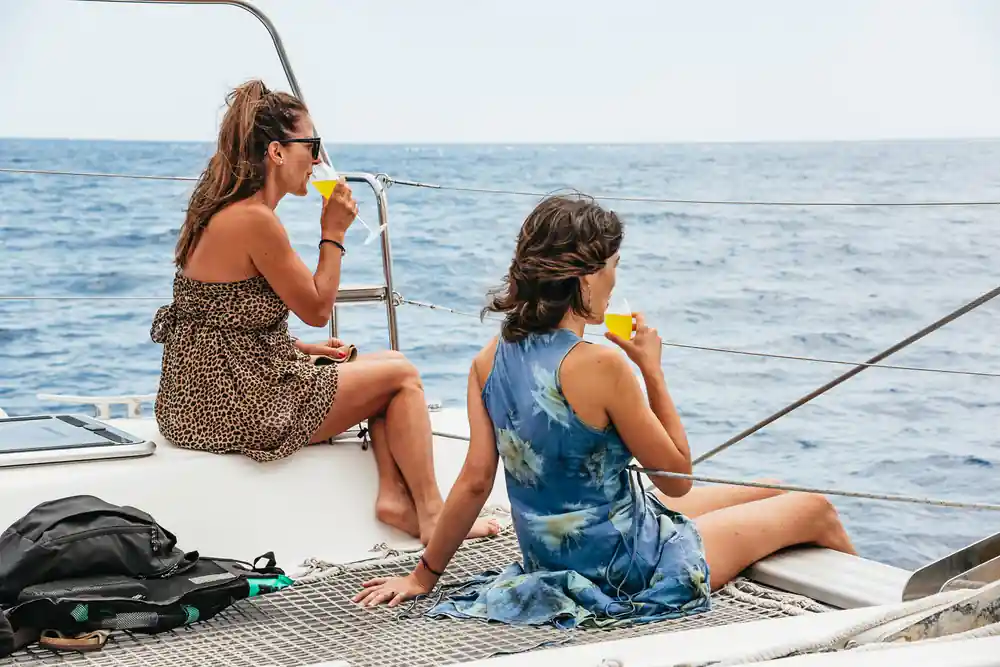
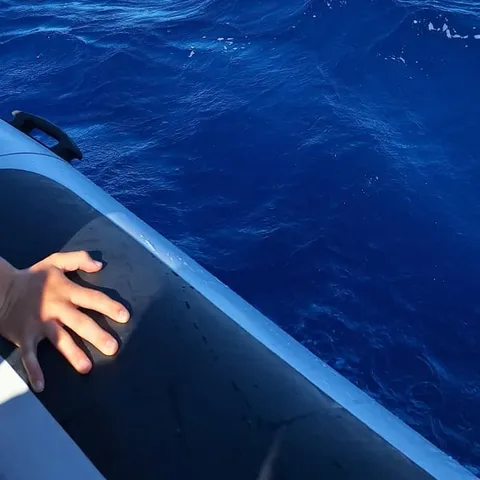
Then you get in. The water here is clear, deep and properly blue, and swimming in the open Atlantic under that much rock is the part of the trip most people describe afterwards. Nobody is obliged to swim, and plenty of people stay on deck with a drink and watch. But if you were going to get in the sea once in Madeira, this is the place to do it.
Funchal from the water on the way back
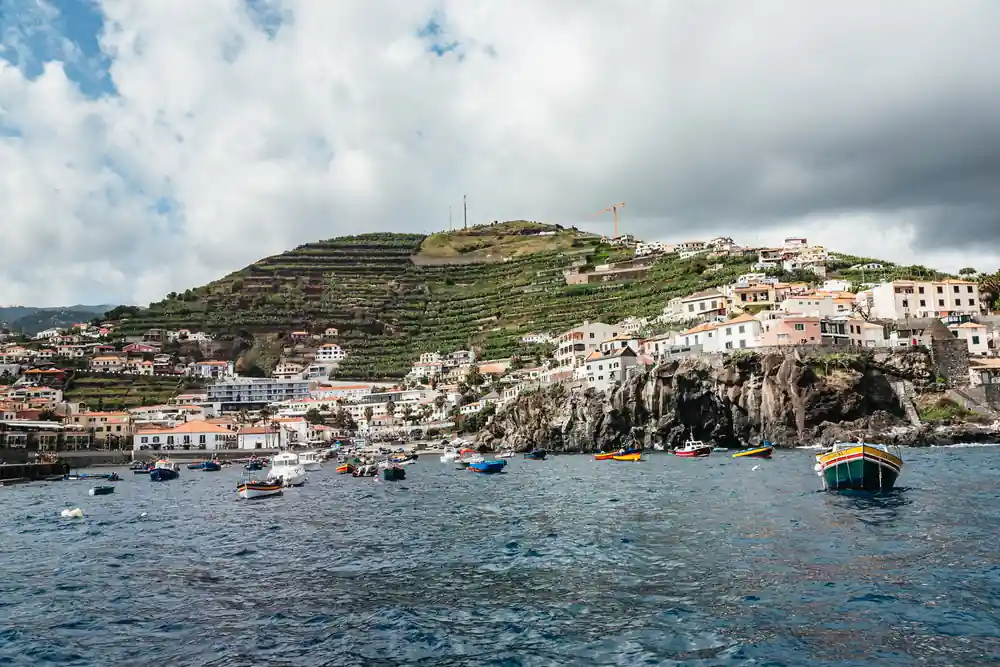
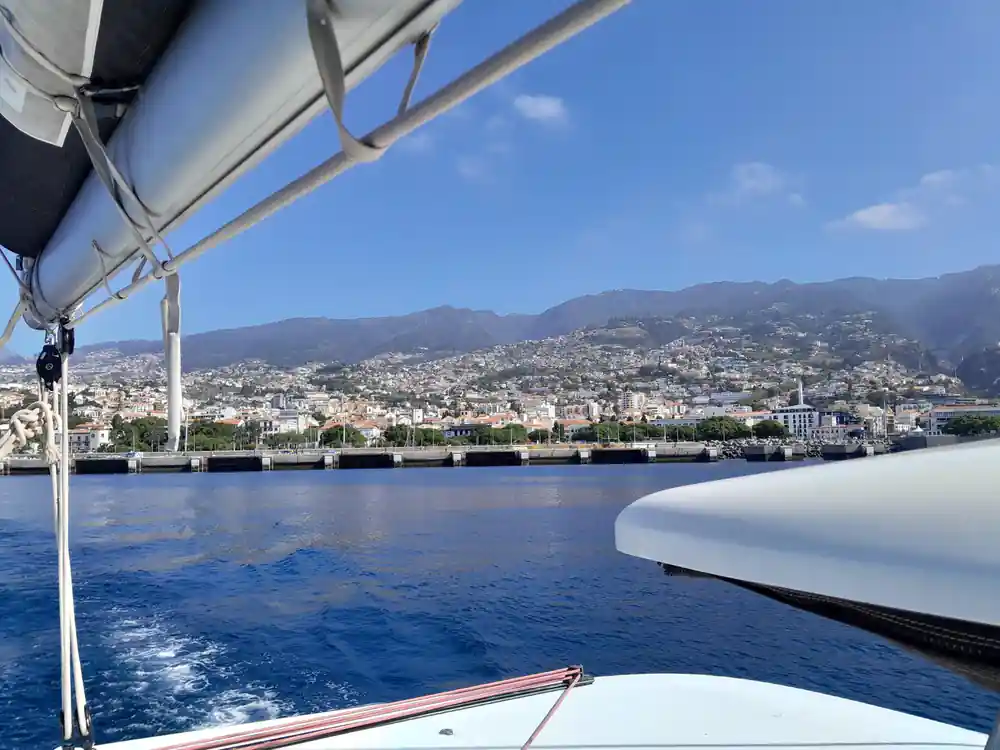
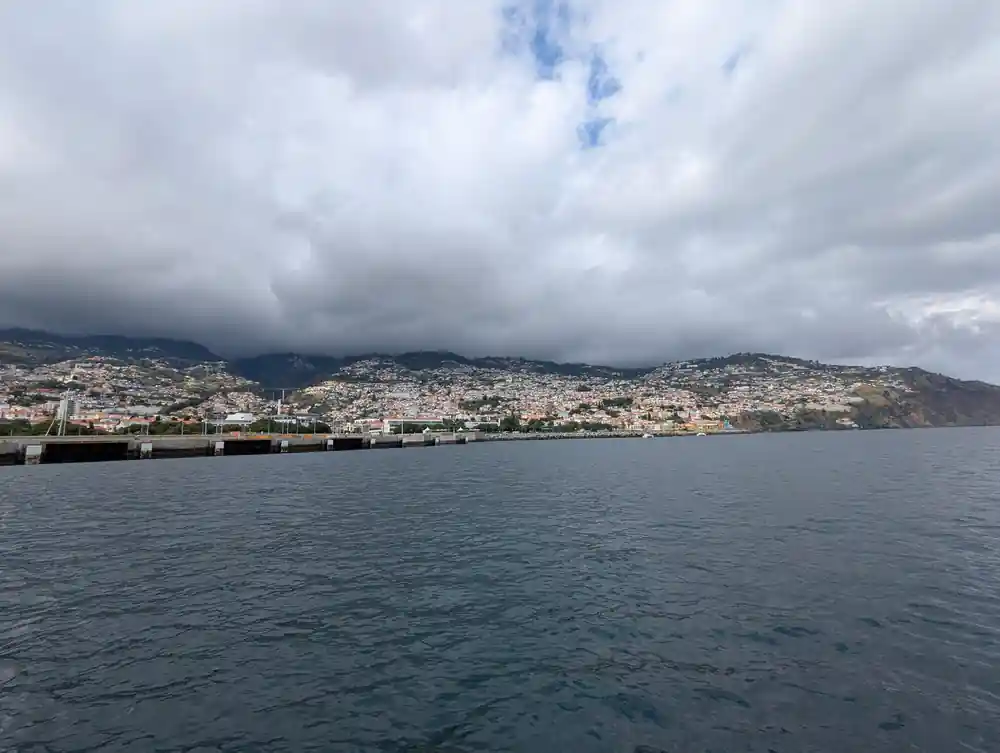
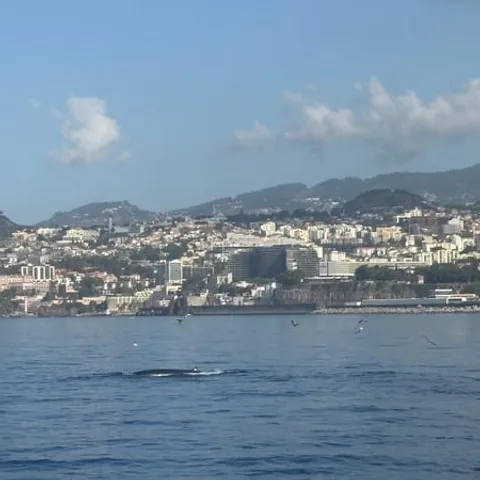
The last stretch is a slow sail back along the coast and around the marina, and it is the part of the itinerary that sounds like filler and is not. Funchal is built up an amphitheatre of hills, and the city only makes visual sense from out at sea, where you can see the whole bowl of it rising from the harbour to the ridge.
From the water you can pick out the cable car running up toward Monte, the terraces cut into the slopes above the town, and the working harbour at the eastern end. It is a good twenty minutes with a drink in your hand and no particular obligation to do anything.
What the trip does not include
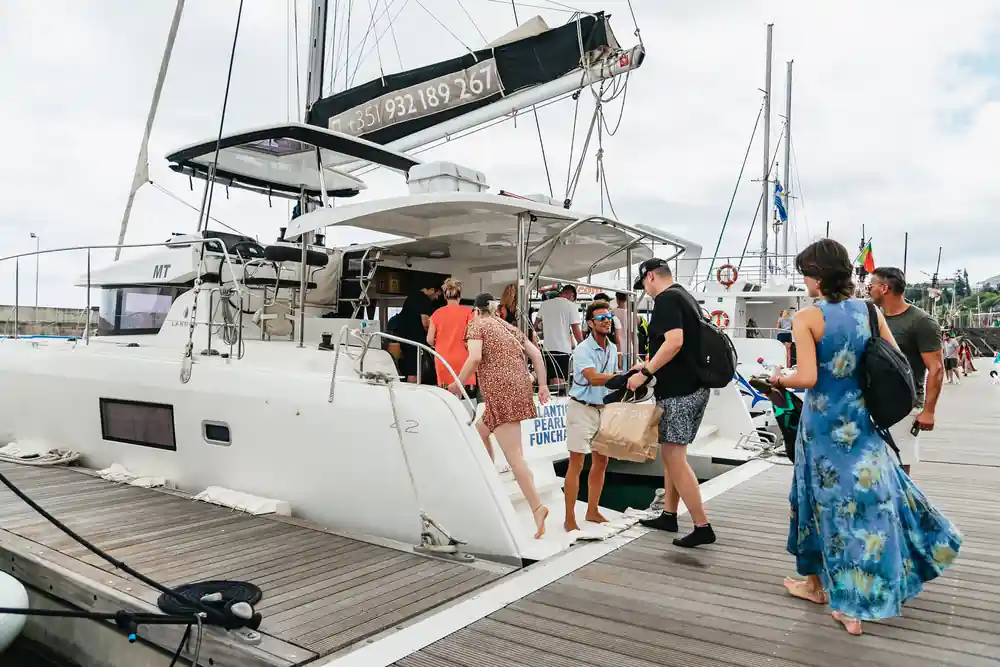
Worth being clear about, because it affects your planning. There is no hotel pickup: you make your own way to Marina Nova do Funchal and check in at the Atlantic Pearl counter on Cais 8. The marina is central and walkable from most of the town, and the nearest car park is Almirante Reis by the cable car.
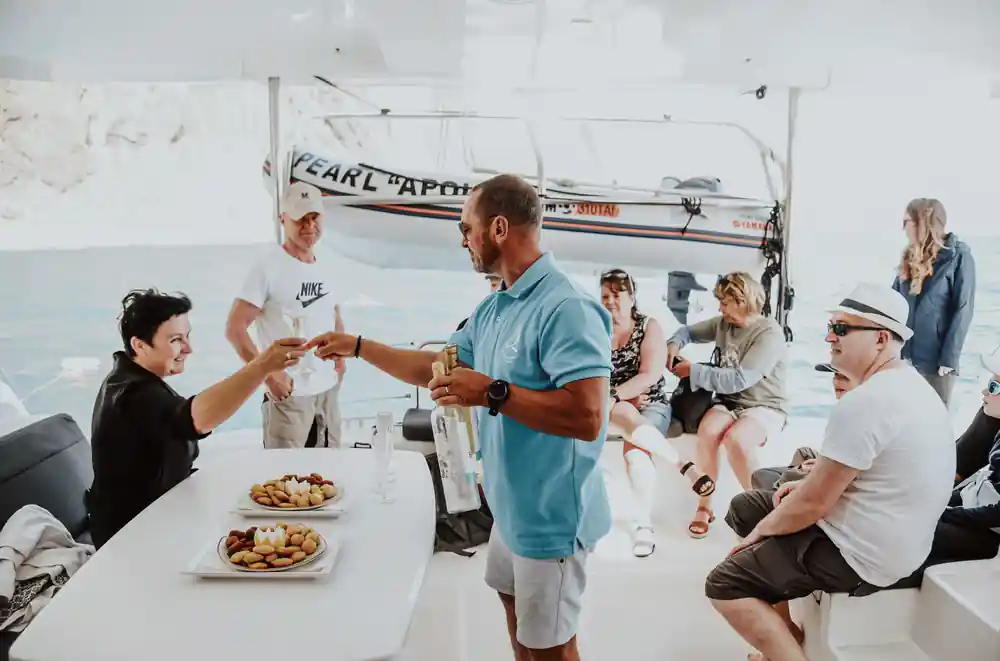
Drinks are not included either, though there is a bar on board where you can buy them, and tips are not expected. What you should bring is on the operator's own list: swimwear, a towel, sunscreen, a hat, sunglasses and comfortable clothes.
Who it works for
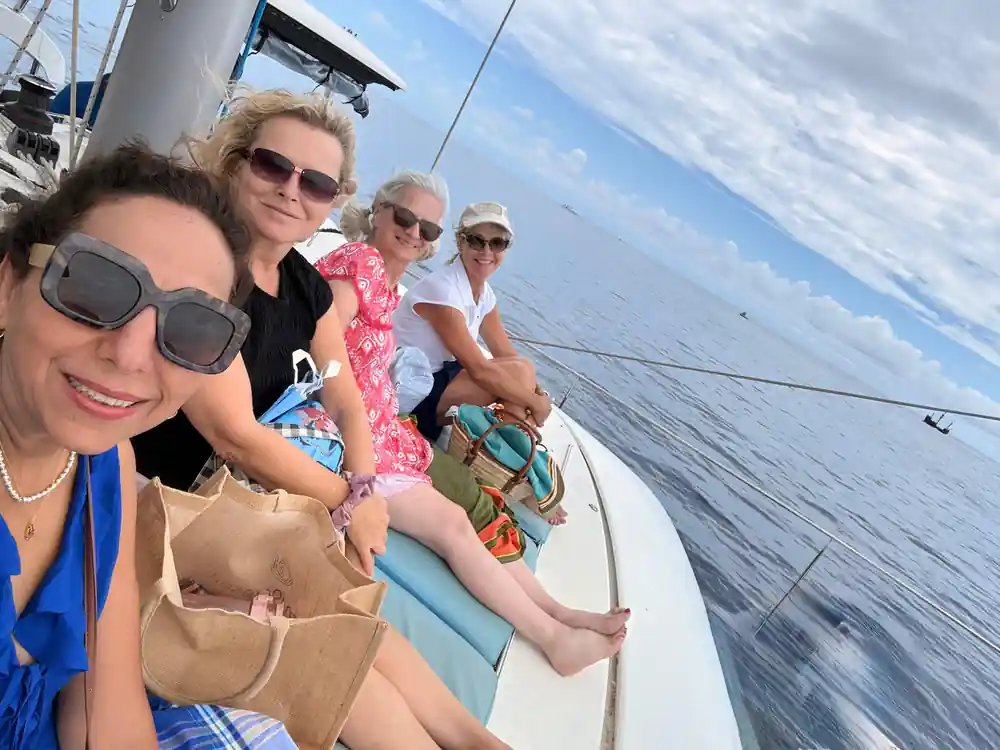
It works well for families, for couples and for anyone who wants a boat trip that is not simply a fast run out and back. The three-hour length is generous enough to include the swim without turning into a full day, and the group is small, which reviewers mention again and again.
One published exclusion matters and it is a firm one: the tour is not suitable for wheelchair users. Boarding is over a pontoon onto a boat, and getting into the water is down a ladder. If mobility is a concern, that is the honest picture and it is worth knowing before you book rather than at the quay.
Madeira's weather, and why the season barely matters
One of the genuinely unusual things about this island is how little the year changes. The Funchal weather station, less than six kilometres from the marina, records daytime highs of around twenty degrees in January and twenty-seven in August. There is no month here that shuts the coast down, and no month you would call cold.
What does change is the sea and the swell. August and September are the warmest months for the swim stop, with the water having had a whole summer to warm up, and the driest stretch of the year runs from April through July with almost no rain recorded at all. Winter brings more cloud and a livelier ocean, but a January cruise in twenty degrees is still a perfectly good day out, which is not something you can say of a boat trip almost anywhere else in Europe.